

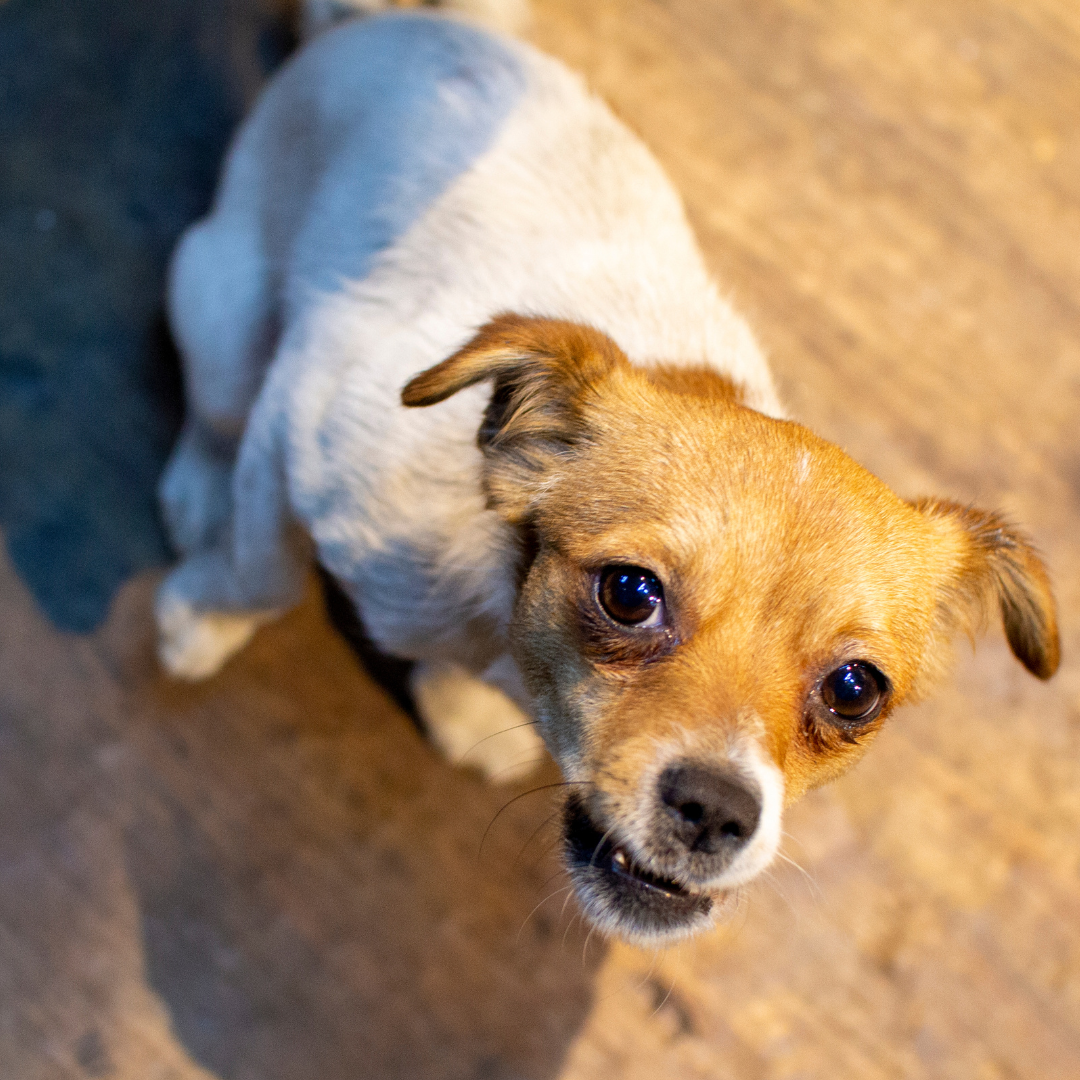
If your dog has been snapping, growling, or acting out of character, you might be searching for answers in their training history or past experiences. But what if the root cause isn't behavioural at all - what if it starts in the gut?
Emerging science is revealing a remarkable connection between the digestive system and the brain, and it may help explain why some dogs become anxious, reactive, or aggressive. Understanding this link, and how to support it, could be the missing piece in your dog's wellness puzzle.
The Gut-Brain Axis: More Than a Buzzword
The gut-brain axis is the two-way communication network linking the gastrointestinal tract and the central nervous system [4]. Through a combination of neural pathways, hormones, and immune signals, the gut and brain are in constant dialogue. The gut is sometimes called the "second brain" because it contains millions of neurons and produces many of the same neurotransmitters found in the brain - including around 90% of the body's serotonin [5], a key mood-regulating chemical.
In dogs, this connection is just as significant. A disrupted gut microbiome doesn't just affect digestion. It can alter neurochemistry, heighten the stress response, and contribute to anxiety and aggression [4], [5].
How an Imbalanced Microbiome Can Affect Your Dog's Behaviour
When a dog's gut microbiome is healthy and diverse, beneficial bacteria help regulate inflammation, produce short-chain fatty acids (SCFAs) like butyrate and propionate, and support the production of neurotransmitters that calm the nervous system. When the balance tips the wrong way (a state known as dysbiosis) the consequences can extend well beyond loose stools [4], [5].
Research has identified that certain harmful bacterial groups, including Escherichia/Shigella, Streptococcus, and Treponema, are associated with poorer health outcomes in dogs, while reduced levels of beneficial bacteria such as Faecalibacterium, Blautia, and Ruminococcus are linked to gut dysfunction and increased inflammation [1], [2]. Chronic low-grade inflammation driven by a dysbiotic gut can affect the brain through inflammatory cytokines crossing the blood-brain barrier, disrupting mood regulation and increasing the likelihood of stress-related behaviours including hyperactivity, reactivity, and aggression.
Dogs fed carbohydrate-heavy commercial diets are particularly vulnerable. Unlike wolves, from whom dogs descended, modern dogs often have relatively low levels of pancreatic amylase (the enzyme needed to break down starch). When undigested carbohydrates reach the lower bowel, they ferment and feed pathogenic bacteria, producing toxic metabolites including ammonia, ethanol, and methanol - compounds associated with gut inflammation and systemic toxicity [3].
What the Science Says
A 2024 peer-reviewed study published in the Journal of Modern Agriculture and Biotechnology examined the effects of an enzyme-rich malt extract (ERME) - the active ingredient in CaniNectar - on the gut microbiome and metabolome of dogs and horses. Researchers at the University of Birmingham, Mayo Alix College of Medicine and Science, and Addenbrooke's Hospital, Cambridge, found that supplementing dogs with ERME for eight weeks produced measurable improvements in the gut environment [3].
All ten dogs in the study showed a reduction in at least one toxic compound - ammonia, methanol, or ethanol - following supplementation. Nine out of ten showed increases in beneficial metabolites including butyric acid, propionic acid, and acetic acid (SCFAs), which are critical for gut wall integrity and immune regulation. At the microbiome level, dogs showed reduced levels of Spirochaetes and Proteobacteria - bacterial groups associated with inflammation and disease - alongside increased levels of Blautia, Faecalibacterium prausnitzii, and Clostridia hiranonis, all of which are associated with a healthier gut environment and reduced inflammation [3].
Crucially, the authors noted that F. prausnitzii is considered an important biomarker of an optimised microbiome. Its presence in higher quantities is linked to reduced gut inflammation - and since inflammation is a key driver of behavioural dysregulation via the gut-brain axis, these findings have real implications for canine behaviour.
An earlier exploratory analysis of CaniNectar data from an Autumn 2023 study involving UK Border Force working dogs lent further support to these patterns. The data analyst's report found a trend towards increased 'good' genera - including Blautia and Faecalibacterium - and decreased 'bad' genera post-supplementation, with the effect stronger in older dogs. Among the key influencer findings, Streptococcus and Escherichia/Shigella were identified as genera associated with worsening appetite ratings, while Treponema was linked to poorer stool quality - both indirect indicators of systemic dysbiosis that can feed into mood and behaviour [1].
From Gut to Brain: The Anxiety-Aggression Link
Anxiety and aggression are closely related in dogs. A dog that is chronically stressed or anxious is far more likely to display reactive or aggressive behaviour - not because it is "badly behaved," but because its nervous system is primed for threat response. A dysbiotic gut contributes to this state in several ways:
Elevated toxic metabolites. High levels of ammonia and ethanol in the gut are associated with systemic toxicity and neurological stress. When the gut microbiome is imbalanced, these compounds are produced in greater quantities and can affect the brain's ability to regulate mood [3].
Reduced SCFA production. Butyrate, propionate, and acetate - produced by beneficial gut bacteria - play a vital role in maintaining gut barrier integrity, reducing inflammation, and modulating the immune system. Low SCFA levels are linked to increased intestinal permeability (often called "leaky gut"), which allows bacterial toxins and inflammatory compounds to enter the bloodstream and, ultimately, influence brain chemistry [3].
Dysregulated stress hormones. The gut microbiome interacts with the hypothalamic-pituitary-adrenal (HPA) axis, which governs the stress response. An imbalanced microbiome can amplify cortisol output, keeping a dog in a heightened state of arousal - exactly the kind of physiological state that tips a nervous or reactive dog towards aggression.
Real Dogs, Real Results: CaniNectar's Ongoing Trial
Beyond the laboratory, CaniNectar has been undergoing a structured field trial now spanning 99 dogs and 249 handler submissions across two phases, as reported in the June 2026 Phase Comparison document [2].
The anxiety findings are striking. Across both phases combined, high-anxiety dogs showed improvement in 63 out of 94 observations, with just one instance of worsening - a statistically significant result with an effect size of r = 0.983 (p < 0.0001) [2]. In Phase 2 alone, the effect size for anxiety reduction reached a perfect r = 1.000 across 25 observations from 15 dogs, with zero instances of worsening. The mean anxiety score dropped from 4.24 at baseline to 3.16 after supplementation - a reduction of more than 25% [2].
One standout case was Norman (a German Shorthaired Pointer), whose handler made the decision to leave him unsupervised outside his crate for the first time, based on his reduced anxiety response - a tangible, real-world indicator of meaningful behavioural change. Another handler noted their Weimaraner had "started chatting again" - a spontaneous return of characteristic behaviour after a period of illness - while a second Weimaraner in the same household was described as "less reactive, more energy" [2].
These are not isolated anecdotes. They are consistent signals emerging from a dataset that grows with every passing week.

How CaniNectar Supports the Gut-Brain Axis
CaniNectar is made from malted barley using a patented low-temperature extraction process that preserves naturally occurring digestive enzymes - including amylase, protease, lipase, fructanase, cellulase, beta-glucanase, and phytase. These enzymes support more complete digestion in the upper gut, reducing the volume of undigested material that reaches the lower bowel where harmful bacteria thrive.
The maltodextrin matrix in which these enzymes are suspended also directly modulates the colonic microflora, supporting beneficial bacteria without introducing foreign organisms. As the 2024 study concluded, this dual "anabiomics" approach (enzyme supplementation plus prebiotic matrix) supports an improved microbiome in a way that single-strain probiotics typically cannot sustain [3].
By helping to restore microbial balance, reduce toxic metabolite production, and support SCFA levels, CaniNectar addresses the gut-level drivers of anxiety and aggression at their source. A calmer gut, the evidence increasingly suggests, means a calmer dog.
The Bottom Line
If your dog is aggressive, anxious, or reactive, it is worth looking beyond behaviour alone. The gut-brain axis is a real and measurable pathway through which gut health shapes mood, stress tolerance, and behaviour. Dysbiosis can prime a dog's nervous system for reactivity in ways that no amount of training alone will fully resolve.
Supporting your dog's gut microbiome with a scientifically evidenced supplement like CaniNectar may not only improve their digestion and stool quality. It may, quite literally, help them feel and behave like themselves again.
References
- Mager L. Exploratory Analysis of CaniNectar Autumn 2023 Study Data. Internal report, October 2023.
- Tharos Ltd. CaniNectar Phase 1 vs Phase 2 - Interim Comparison. Internal document, June 2026.
- Waring RH, Dagi TF, Hunter JO. Innovative Approaches to Managing the Mammalian Microbiome: Evidence for the Role of Anabiomics. Journal of Modern Agriculture and Biotechnology. 2024; 3: 10. DOI: https://image.innovationforever.com/file/20241206/f051ca3b96834ec4973556da63ebafd5/JMAB20240218.pdf
- Sacoor, C., Marugg, J. D., Lima, N. R., Empadinhas, N., & Montezinho, L. (2024). Gut-Brain Axis Impact on Canine Anxiety Disorders: New Challenges for Behavioral Veterinary Medicine. Veterinary medicine international, 2024, 2856759. https://doi.org/10.1155/2024/2856759
- Kiełbik, P., & Witkowska-Piłaszewicz, O. (2024). The Relationship between Canine Behavioral Disorders and Gut Microbiome and Future Therapeutic Perspectives. Animals : an open access journal from MDPI, 14(14), 2048. https://doi.org/10.3390/ani14142048



Share:
Your Dog Isn't Clingy - They're Suffering: The Truth About Velcro Dogs and What Their Gut Has to Do With It
From Gut to Grin: Why Your Dog's Breath Starts in Their Belly