

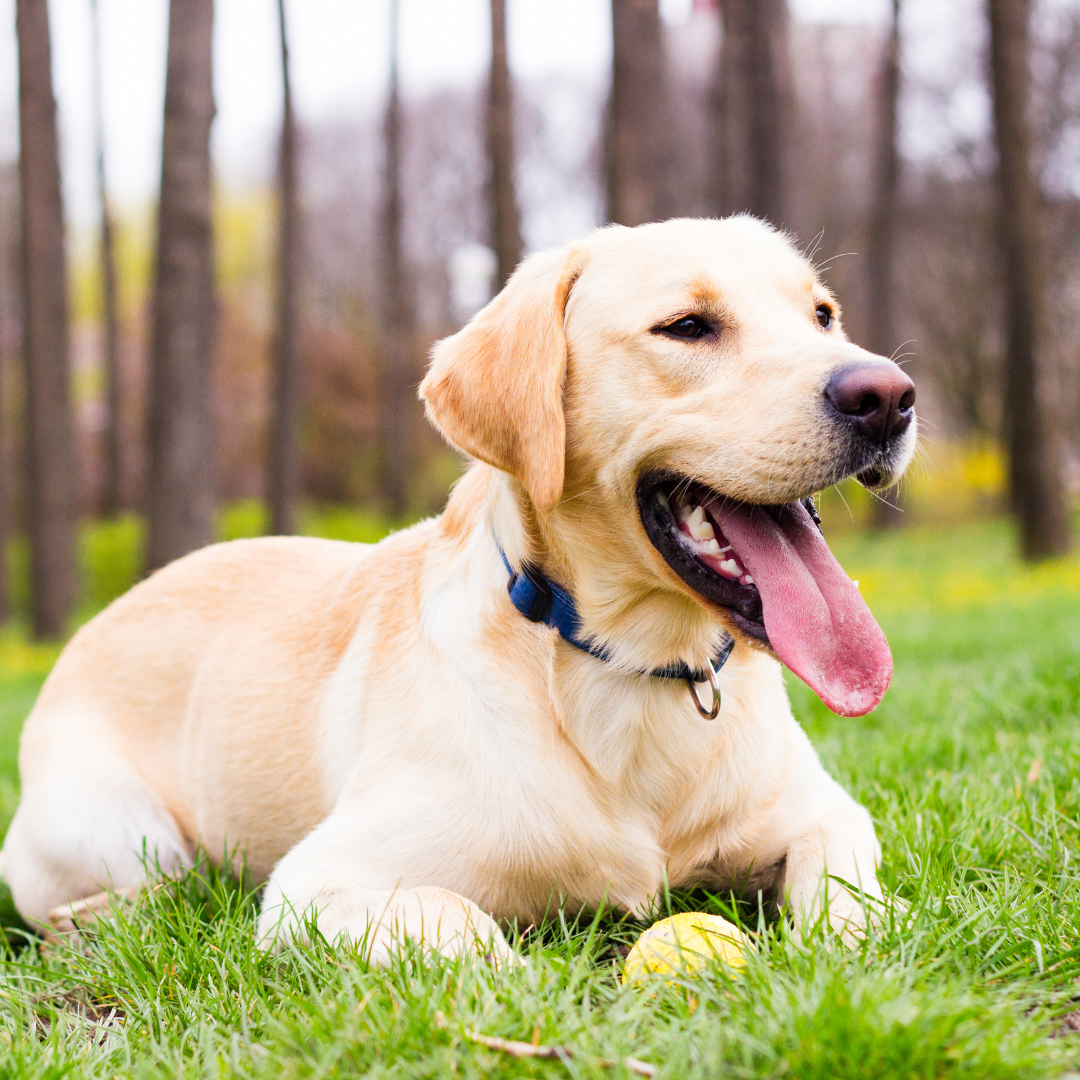
If you've ever wondered why your dog's coat can look dull one month and glossy the next, the answer often has less to do with shampoo and more to do with what's happening several feet further down, in the gut. Vets, behaviourists and groomers have long suspected a link between digestive health and coat condition, and the data emerging from our ongoing CaniNectar professional trial is starting to show exactly why.
The Gut-Skin Axis: Not Just a Buzzword
"Gut-skin axis" has become something of a trend phrase in human wellness circles, but the underlying biology is genuine, and it applies just as much to our dogs. A dog's skin is its largest organ, and like every organ, it depends on a steady supply of nutrients, a properly functioning immune system, and low background inflammation to do its job well. All three of those things are heavily influenced by the gut.
When digestion is working efficiently, nutrients such as fatty acids, B vitamins and minerals are absorbed properly and delivered to where they're needed, including the skin and hair follicles. When digestion is compromised, whether through poor enzyme activity, an imbalanced microbiome, or excess fermentation in the colon, the knock-on effects show up as dull coats, flaky skin, and excessive itching or licking, often before more obvious digestive symptoms appear.
This is the thinking behind CaniNectar, an Enzyme-Rich Malt Extract (ERME) supplement given daily based on body weight. Rather than introducing foreign bacteria (as a probiotic would) or simply feeding existing bacteria (as a prebiotic would), CaniNectar works by supplying the natural digestive enzymes many modern diets lack, helping dogs extract more from their food and reducing the undigested material that can ferment further down the gut.
What the Professional Trial Found
Our professional trial has now run across two phases, involving 129 dogs and 63 animal health professionals, with 332 weekly submissions to date. The professionals involved are not casual observers; they are trainers, behaviourists, vets, vet nurses, hydrotherapists and nutritionists assessing their own dogs day in, day out.
On digestion specifically, dogs with a genuinely sub-optimal faecal score at the start of the trial (rather than those already in a healthy range) showed a mean improvement of just over a full point on the faecal scoring scale, a 24.7% reduction, a result that reached statistical significance (p = 0.005). Gas and bloating followed a similarly encouraging pattern: 18% of week one submissions flagged some gas or bloating, a common and expected part of a gut adjusting to a new supplement, and this fell to 9% by week two and to 0% from week four onwards, with every recorded incident classed as mild or moderate.
The coat and skin picture, while measured on a smaller, less statistically powered scale so far, tells a consistent story when you look at what professionals were actually noting week to week.

Coat and Skin: What Professionals Actually Said
What stands out across the trial submissions isn't a single big number, but the sheer repetition of unprompted comments from professionals who had no reason to mention coat condition unless they'd genuinely noticed a change.
Several participants showed improvement remarkably early. A Border Collie assessed by a trainer had a shinier coat as the very first noticeable change in week one. Two Vizslas assessed independently by the same behaviourist showed "softer face and smoother hair" by day two and a "shinier coat" by week two, one of the most precisely timed early observations recorded in either trial phase.
Others showed the effect building steadily over several weeks. An English Springer Spaniel assessed by a behaviourist had a sustained thread running through the whole trial: a shiny coat noted by day five, "coat improving" at week two, and a further shine improvement later, before the professional's wrap-up summary described "improvement in coat shine and firmer stools" together. A Working Cocker Spaniel assessed by a vet reported a coat that was "improved, less dry dander" by week two, while another Working Cocker assessed by a different vet described a coat that was "not as dull" by week three.
Then there are the delayed-onset cases, which are arguably the most interesting from a mechanistic point of view. A mixed breed dog showed no particular change for weeks, before the owner reported at wrap-up that "as of day 30 coat seems to have suddenly improved significantly," describing it as noticeably softer too. Another participant reported a coat that was "very glossy and growing fast" by the end of the trial. This kind of delayed but eventually dramatic shift fits with the idea that coat condition reflects a slower-building nutritional and microbial change, rather than a quick surface fix.
Perhaps the single most striking case in the entire trial involves a Cardigan Welsh Corgi assessed by a behaviourist. This dog had developed a stubborn fan-shaped coat pattern over the lower back following a flea outbreak, a pattern that had not responded to McTimoney therapy, red light therapy, or PEMF treatment. During the trial, and with CaniNectar the only new variable introduced, that pattern began shifting toward a more normal, s-shaped growth pattern. The behaviourist named it as the most noticeable benefit of the whole trial at wrap-up.
Skin specifically also showed encouraging signals in breeds known for skin sensitivity. A Shar Pei (a breed notorious for skin challenges) assessed by a registered vet nurse was reported as "skin better, a few flakes but much better" by week two. Two further participants both reported general coat and skin improvement in their trial wrap-ups, alongside settled digestion and improved behaviour, echoing the same three-way pattern seen throughout the trial: gut, coat and mood moving together.

Why the Timing Makes Sense
It's worth noting that the trial's own secondary metrics currently classify the aggregate coat and skin score as broadly stable rather than statistically significant on its own (p = 0.51), a reminder that this is an interim, observational dataset and not yet a controlled clinical study. What's compelling is the pattern sitting underneath that headline number: professionals across multiple breeds, independently and without prompting, describing the same type of change, on broadly the same rapid-then-sustained timeline, alongside measurable digestive improvement in the same dogs.
That timeline lines up with what we'd expect biologically. CaniNectar's enzymes get to work on digestion within days, improving nutrient extraction from food almost immediately. A properly nourished gut also supports a more balanced population of beneficial bacteria, including species like Faecalibacterium prausnitzii, which our separate UKBF microbiome study found had normalised across all six working dogs tested, with associated increases in beneficial short-chain fatty acids such as butyric and propionic acid. These SCFAs help repair the gut lining and reduce circulating inflammatory triggers, which is precisely the kind of underlying change you'd expect to eventually show up in skin and coat quality, sometimes within days, sometimes only becoming visible after several weeks of steady change.
The Bigger Picture
What the professional trial data does show, consistently and across a genuinely wide range of breeds from Toy Poodles to Shar Peis to working Cocker Spaniels, is a repeated pattern: as gut health improves, coat and skin condition tends to follow, sometimes dramatically so. Combined with zero serious adverse events recorded across the full evidence base of 259 dogs and four independent studies, it's a pattern well worth taking seriously, and one we'll continue tracking as the trial progresses toward a fully powered, randomised follow-up study.
If your dog's coat has lost its shine or their skin seems more irritable than it should be, it may be worth looking at what's happening in their gut first. Sometimes the answer to a dull coat starts on the inside.


Share:
Which Dog Breeds Are Prone to Gut Issues
That "Doggy Smell" Might Be Coming From the Gut, Not Just the Skin