

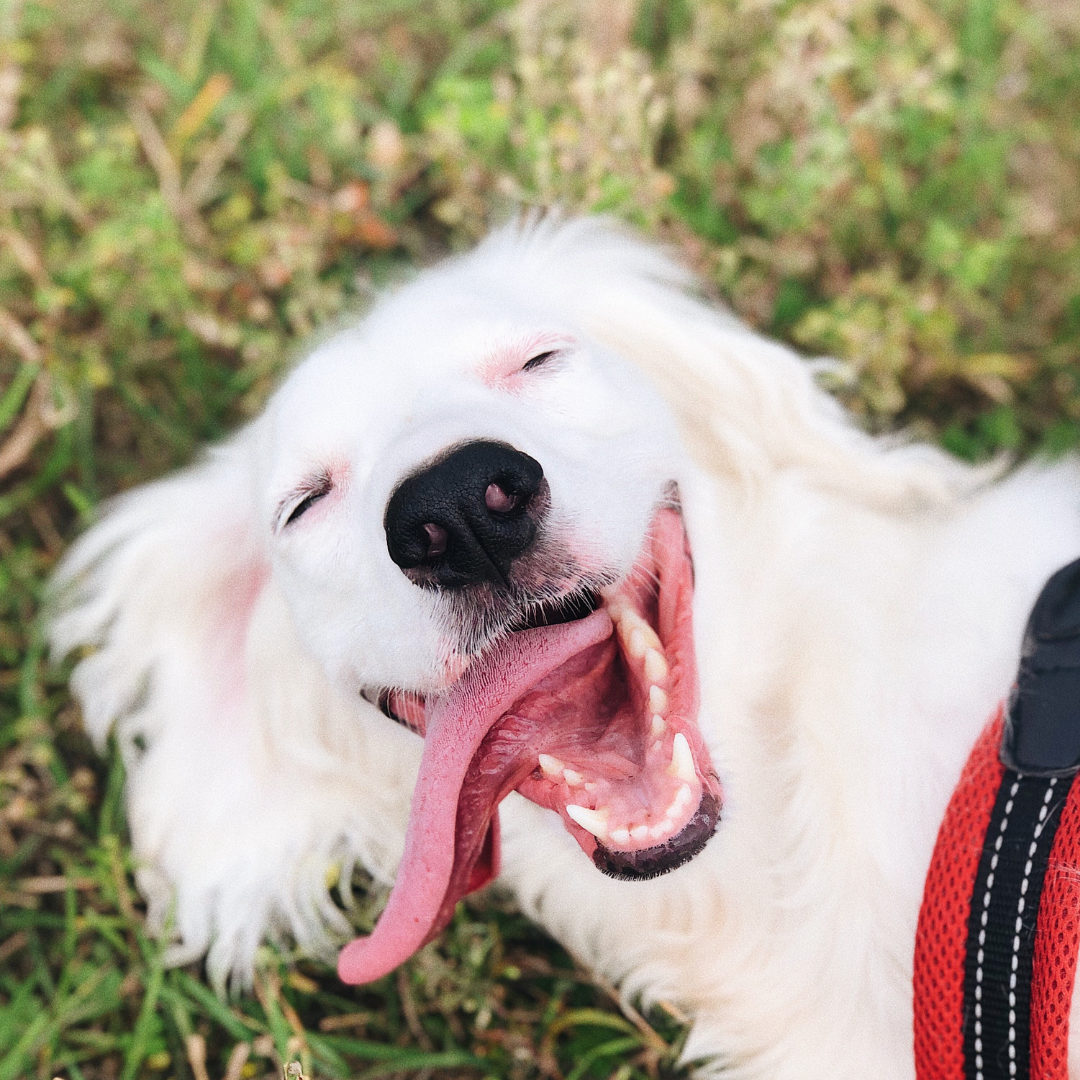
If you've ever leant in for a cuddle with your dog only to be met with a wave of less-than-pleasant breath, you're far from alone. Bad breath (or halitosis) is one of the most common complaints among dog owners, and for years it's been dismissed as simply "dog breath," something to be tolerated rather than addressed. But what if that smell is actually telling you something important about what's happening deep inside your dog's digestive system?
Emerging science is revealing a fascinating and deeply interconnected relationship between the gut and the mouth — a biological conversation that influences everything from plaque formation to gum disease, and from immune function to overall wellbeing. Understanding this connection is key to helping your dog thrive, and it all begins with the microbiome.

The Microbiome: Your Dog's Invisible Ecosystem
Your dog carries trillions of microorganisms - bacteria, fungi, and viruses - living in communities throughout their body. This collective ecosystem is known as the microbiome, and the gut hosts one of its most important hubs. A healthy, balanced gut microbiome is essential for proper digestion, nutrient absorption, immune regulation, and even mood (1, 3).
But the microbiome doesn't stop at the stomach. The mouth is its own rich microbial environment , and, critically, it is the gateway through which the rest of the body's microbiome is first shaped. Research has identified over 400 bacterial species living in the canine oral cavity, with distinct communities colonising different areas of the mouth (4). These communities form biofilms (layers of bacteria) on the surfaces of teeth and gums. When balanced, these biofilms are part of normal, healthy oral function. When disrupted, they become the foundation of plaque, tartar, and eventually periodontal disease.
The Gut-to-Mouth Axis: A Two-Way Street
What makes the gut-mouth relationship so compelling is that it operates bidirectionally. An imbalanced gut microbiome can allow harmful bacteria to migrate upwards, contributing to oral problems such as bad breath, gum disease, and tooth loss. Equally, disruption in the oral microbiome can send ripple effects downstream into the gut (3).
This means that addressing your dog's bad breath purely as an oral hygiene problem misses half the picture. When the gut is out of balance — often referred to as dysbiosis — the knock-on effects can manifest visibly in the mouth.
Signs that your dog's microbiome may be struggling include persistent bad breath, loose stools, flatulence, skin irritation, and changes in behaviour or energy levels (3). These aren't isolated symptoms; they are clues pointing to a shared underlying cause.
What the Science Says About Dog Breath
Research into the canine oral microbiome has shed light on exactly which bacterial species are associated with healthy mouths, and which are linked to disease. A study examining the oral bacteria of dogs fed wet versus dry food found that animals consuming dry food had lower concentrations of volatile sulphur compounds (the chemical family most directly responsible for unpleasant smells), as well as a higher salivary pH, both indicators of better oral health (5).
The same research identified specific bacteria associated with periodontal disease, including Fretibacterium fastidiosum, Filifactor alocis, Tannerella forsythia, Porphyromonas gingivalis, and Treponema medium, all of which were found in higher relative abundance in dogs whose oral environments were less favourable (5). Conversely, health-associated genera such as Pasteurella, Capnocytophaga, and Corynebacterium were higher in dogs with better oral conditions.
Periodontal disease, it is worth noting, is remarkably prevalent in dogs. Studies suggest it affects between 44% and 63.6% of dogs overall, rising to 84–86% in dogs aged three years or older (2). This is not a niche concern, it is one of the most widespread health challenges facing pet dogs today, and its consequences extend far beyond the mouth, with systemic complications increasingly recognised in veterinary medicine (2).
Gut Balance, Immune Function, and Oral Health
One of the most important yet overlooked aspects of this picture is the role of gut health in supporting immune function. Approximately 80% of a dog's immune system is rooted in the gut (4). The composition of the gut microbiome directly influences how the immune system responds to bacterial challenges throughout the body - including in the gums and teeth.
When the gut is well-nourished and balanced, it supports anti-inflammatory responses that help keep the oral environment stable. When it is dysbiotic, systemic inflammation can rise, making the gums more susceptible to infection and disease (3). This explains why improvements in gut health so often correlate with improvements in oral health - the two systems are not separate; they are part of the same biological whole.
Furthermore, the oral microbiome itself can influence the gastrointestinal microbiome. Research confirms that the oral-gut microbiome axis is bidirectional, meaning any disruption to either's balance can negatively impact the other (3). A healthy gut supports a healthy mouth, and a healthy mouth supports a healthy gut.
Nutrition as the Foundation
Diet plays a profound role in shaping both the gut and oral microbiomes. Fibre, for instance, is essential for feeding beneficial gut bacteria, helping them outcompete harmful species and maintain a stable, diverse ecosystem (3). The physical texture of food also matters, chewing harder foods has long been understood to have a mechanical cleansing effect on tooth surfaces, reducing plaque accumulation (5).
Beyond texture, the nutritional composition of a dog's diet determines what raw material the microbiome has to work with. Enzymes play a particularly important role: without sufficient digestive enzyme activity, food is incompletely broken down, creating a feast for gas-producing, dysbiosis-promoting bacteria in the lower gut. Well-supported digestion, by contrast, leaves less undigested material available for fermentation, reducing flatulence, improving stool quality, and creating a less hospitable environment for harmful bacterial overgrowth.

Where CaniNectar Comes In
CaniNectar is a natural supplement made from carefully selected malted barley, produced using a patented process that preserves the plant's naturally occurring enzymes. These include a comprehensive suite of digestive enzymes, protease for protein breakdown, lipase for fat digestion, amylase for starch, fructanase for plant-based fructans, cellulase and xylanase for fibrous plant material, beta-glucanase for complex carbohydrates, and phytase for enhanced mineral absorption.
By supporting more complete digestion at the gut level, CaniNectar helps reduce the undigested material that would otherwise be fermented by gas-producing bacteria, addressing flatulence and loose stools at their root cause rather than masking them. In supporting a more balanced gut environment, the aim is to positively influence the systemic conditions that shape oral health too.
CaniNectar also delivers a rich complement of B vitamins - including thiamine, riboflavin, niacin, pyridoxine, folate, and B12 - which support energy metabolism, nerve function, and cellular health. These are paired with natural antioxidants from the malt, including ferulic acid and flavan-3-ols, which help reduce oxidative stress and support immune defences.
The result is not a quick fix for bad breath, but something more meaningful: a nutritional foundation that supports the gut microbiome, which in turn supports immune function, systemic inflammation, and ultimately oral health. A happier gut, over time, means a healthier mouth.
The Bigger Picture
The science is increasingly clear that canine oral health cannot be separated from gut health. Periodontal disease in dogs is not inevitable - it is a condition strongly influenced by the microbial balance within the body, which is in turn shaped by diet, nutrition, and the health of the gut ecosystem (2, 4, 5).
For dog owners, this reframes what it means to care for a dog's teeth. Brushing and dental chews remain valuable tools, but they address only the surface of the problem. True oral health starts from withi, from a well-nourished, balanced gut that equips the body's immune system to maintain harmony throughout, including in the mouth.
If your dog's breath has been leaving something to be desired, it may be time to look beyond the teeth and ask what their gut is trying to tell you.
References
- Clark, S. (2024, June 3). Taking care of your pet's microbiome: The gut-to-mouth connection. BSM Partners. https://bsmpartners.com/insights/taking-care-of-your-pets-microbiome/the-gut-to-mouth-connection
- Oliveira, M. (2024). Benefits of pre- and pro-biotics on oral care in companion animals. Journal of Animal Science, 102(Supplement_3), 125–126. https://doi.org/10.1093/jas/skae234.147
- Roman, M. (2025, April 18). The oral microbiome and dental health in canines. Innovative Veterinary Journal. https://ivcjournal.com/oral-microbiome-dental-health-canines/
- Oba, P. M., Sieja, K. M., Keating, S. C. J., Hristova, T., Somrak, A. J., & Swanson, K. S. (2022). Oral microbiota populations of adult dogs consuming wet or dry foods. Journal of Animal Science, 100(8), skac200. https://doi.org/10.1093/jas/skac200



Share:
Your Dog Isn't Clingy - They're Suffering: The Truth About Velcro Dogs and What Their Gut Has to Do With It
Which Dog Breeds Are Prone to Gut Issues