


We all want the best for our dogs. We carefully choose their food, keep their water bowl topped up, and make sure they get plenty of exercise and love. But what if, despite your best efforts, your dog's body simply isn't making the most of the nutrients you're feeding them?
Poor nutrient absorption, known as malabsorption, is more common in dogs than many owners realise, and the signs can be surprisingly easy to miss or dismiss as "just the way they are." The truth is, a dog can eat a perfectly balanced diet and still fall short nutritionally if their digestive system isn't working as it should.
Here are five key signs that your dog may not be absorbing nutrients properly, and what you can do to help.
1. Loose, Inconsistent, or Foul-Smelling Stools
Let's start with the most obvious one: the poo. It's not the most glamorous topic, but your dog's stools are one of the clearest windows into their digestive health.
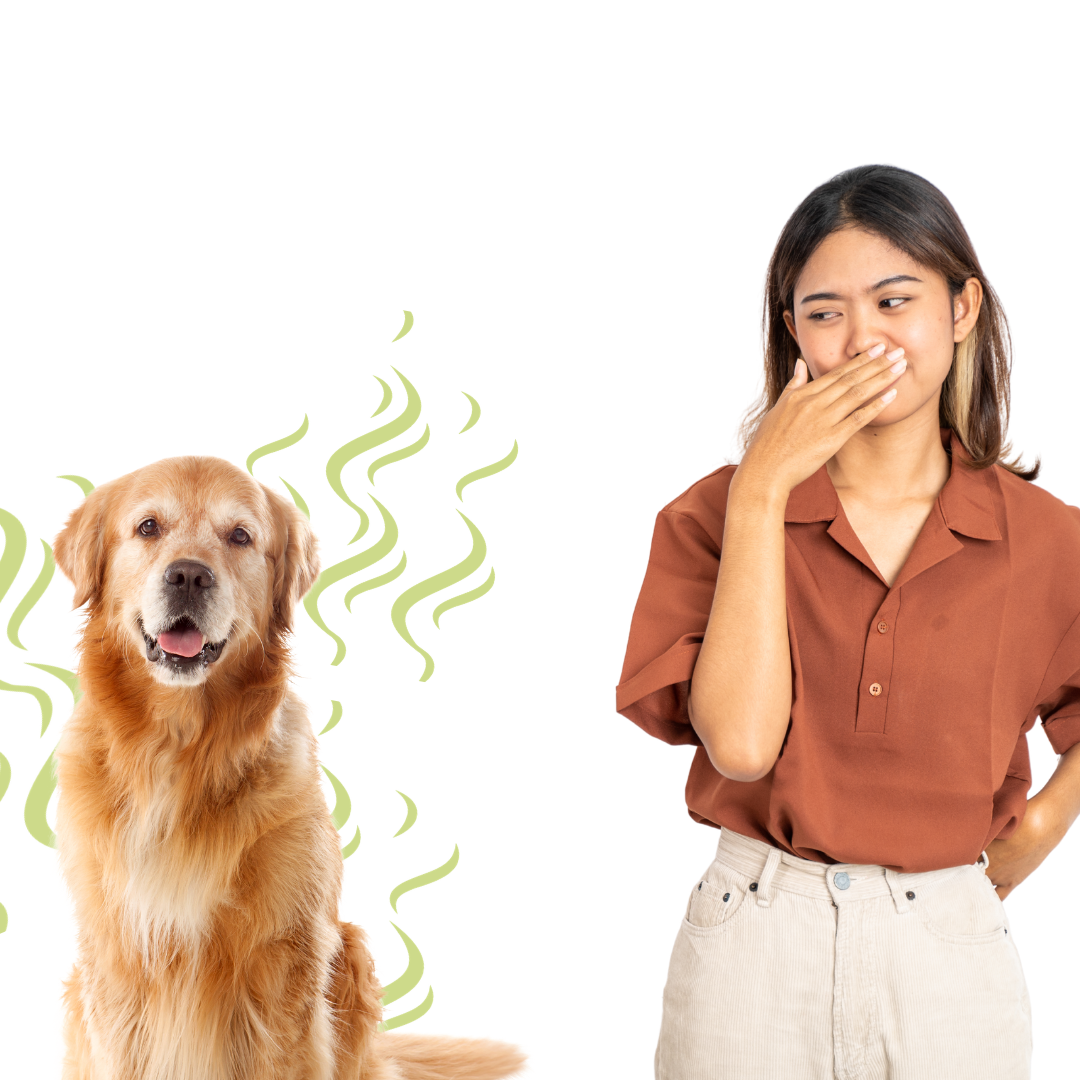
Healthy digestion produces firm, well-formed stools. If you're regularly dealing with loose, watery, or unusually pungent poos, this is often a sign that food is moving through the gut too quickly or that beneficial bacteria are being outnumbered by harmful ones. When the gut microbiome is out of balance, the body struggles to properly break down and absorb nutrients before they pass through.
Frequent soft stools can also indicate that undigested food is fermenting in the gut, a process that not only reduces nutrient uptake but also contributes to gas and bloating. If clean-up time has become a daily challenge, it's worth looking deeper at what's happening inside your dog's digestive system.
How CaniNectar can help: CaniNectar contains naturally occurring digestive enzymes, including protease, lipase, amylase, and fructanase, which help break down the proteins, fats, starches, and plant-based fibres in your dog's food more efficiently. Studies have shown that dogs given CaniNectar produce more consistent stools, with a reduction in harmful bacteria such as Escherichia/Shigella, meaning better nutrient absorption and much easier clean-ups.
2. A Dull, Dry, or Flaky Coat
A dog's coat is often described as a reflection of their inner health, and rightly so. A shiny, soft coat is one of the most visible signs of good nutrition. Conversely, if your dog's fur looks dull, feels coarse, or their skin is dry, itchy, or flaky, this can point directly to poor nutrient absorption.
Fatty acids, zinc, B vitamins, and other key micronutrients are essential for healthy skin and coat condition [1]. If these aren't being properly absorbed in the gut, the body simply doesn't have the building blocks it needs to maintain a healthy outer layer. Many owners assume a lacklustre coat is simply a breed trait or age-related, but in many cases, it's a nutritional issue that can be addressed.
Inflammatory gut conditions can also exacerbate skin problems, as the immune response triggered in the gut can manifest as irritation and itching elsewhere in the body [2].
How CaniNectar can help: CaniNectar enhances the absorption of key nutrients, including B vitamins such as riboflavin and niacin, and minerals like zinc, which are directly linked to skin and coat health. Its natural antioxidants, including ferulic acid and flavan-3-ols, help reduce gut inflammation, supporting healthy skin from the inside out.
3. Low Energy and Lethargy
Every dog has off days, of course. But if your usually enthusiastic companion seems persistently tired, reluctant to play, or lacking their usual zest for life, poor nutrient absorption could be a contributing factor.
Energy production relies on the body efficiently converting food into usable fuel. B vitamins, iron, and magnesium all play vital roles in this process. If these nutrients aren't being absorbed properly, even if they're present in your dog's food, your dog may simply not have the energy reserves they need to thrive.
Iron deficiency, for instance, affects the body's ability to transport oxygen around the bloodstream, leaving dogs feeling sluggish and weak [3]. Magnesium shortfalls can impair muscle function and nerve health [4]. These aren't dramatic, obvious deficiencies; they can manifest as a quiet, gradual decline in vitality that's easy to overlook.
How CaniNectar can help: CaniNectar is rich in essential B vitamins, including thiamine (B1) for energy conversion, riboflavin (B2) for metabolism, and B12 for nerve function. It also provides key minerals such as iron, magnesium, and potassium. By supporting the digestive enzymes that unlock these nutrients from food, CaniNectar helps ensure your dog's body can actually use what you're feeding them.
4. Behavioural Changes: Anxiety, Hyperactivity, or Difficulty Focusing
This one surprises many owners, but the connection between gut health and behaviour is well established in scientific research. The gut-brain axis, the two-way communication network between the digestive system and the brain, plays a significant role in regulating mood, stress responses, and cognitive function.
An imbalanced gut microbiome can disrupt the production of neurotransmitters and stress hormones, leading to increased anxiety, restlessness, or difficulty with training and focus [5]. If your dog seems unusually reactive, anxious without obvious cause, or struggles to settle, the root of the issue may lie in their gut rather than their temperament.
This is particularly relevant for dogs with irregular or poor-quality diets, or those who have recently been on antibiotics, which can significantly disrupt the gut microbiome.
How CaniNectar can help: CaniNectar promotes the growth of beneficial bacteria in the gut, helping to restore microbiome balance and support the gut-brain axis. By helping to regulate stress hormones and promoting a healthier internal environment, CaniNectar can support calmer, more focused behaviour, making training more rewarding and daily life more comfortable for both dog and owner.
5. Eating Well But Not Gaining, or Maintaining, a Healthy Weight
This is perhaps one of the most confusing signs for owners to spot. If your dog is eating a good-quality diet in appropriate portions but remains underweight, or conversely seems to gain weight despite a modest intake, nutrient absorption may be at the heart of it.
When the digestive system isn't functioning efficiently, the body doesn't extract sufficient calories and nutrients from food. In response, some dogs may appear hungry all the time, lose muscle mass despite adequate protein intake, or struggle to maintain a healthy body condition. Equally, poor gut health can disrupt metabolic processes, making it harder for the body to manage weight effectively.
Persistent hunger, muscle wasting, a pot-bellied appearance, or a noticeable loss of muscle tone can all be subtle indicators that food is passing through without being properly utilised.
How CaniNectar can help: CaniNectar's enzyme blend, including beta-glucanase, cellulase, xylanase, and phytase, supports the breakdown of complex carbohydrates, plant fibres, and minerals that might otherwise pass through undigested. By improving the efficiency of the entire digestive process, CaniNectar helps your dog get more from every meal, supporting a healthy weight and better body condition.

The Bigger Picture
Nutrient absorption is at the heart of your dog's overall health. It affects everything from energy and mood to coat condition and immune function. The good news is that digestive health is something you can actively support.
CaniNectar is made from malted barley using ancient, artisan barley varieties that have been valued across Europe for over 800 years for their high natural enzyme levels. Produced using a patented process that preserves these essential enzymes, CaniNectar delivers a comprehensive blend of digestive enzymes, B vitamins, antioxidants, and minerals in every drop, giving your dog's gut the support it needs to function at its best.
If you recognise any of the signs above in your dog, it may be time to take a closer look at what's happening on the inside. Because a healthier gut really does mean a healthier, happier dog.
References
- Watson, T. D. G. (1998). Diet and skin disease in dogs and cats. The Journal of Nutrition, 128(12), 2783S–2789S. https://www.sciencedirect.com/science/article/pii/S0022316623023167
- Sordillo, A., Heldrich, J., Turcotte, R., & Sheth, R. U. (2025). An Indole-Rich Postbiotic Reduces Itching in Dogs: A Randomized, Double-Blinded Placebo-Controlled Study. Animals : an open access journal from MDPI, 15(14), 2019. https://doi.org/10.3390/ani15142019
- Naigamwalla, D. Z., Webb, J. A., & Giger, U. (2012). Iron deficiency anemia. The Canadian veterinary journal = La revue veterinaire canadienne, 53(3), 250–256. https://pubmed.ncbi.nlm.nih.gov/22942439/
- PetMD Editorial. (2010, April 17). Magnesium deficiency in dogs. PetMD. https://www.petmd.com/dog/conditions/endocrine/c_dg_hypomagnesemia
- Kiełbik, P., & Witkowska-Piłaszewicz, O. (2024). The Relationship between Canine Behavioral Disorders and Gut Microbiome and Future Therapeutic Perspectives. Animals : an open access journal from MDPI, 14(14), 2048. https://doi.org/10.3390/ani14142048
Share:
"Why Does My Dog Seem Worse Before Getting Better?" - Understanding the Herxheimer Reaction
We Obsess Over Dog Food Labels...But What About Everything Else in the House?