


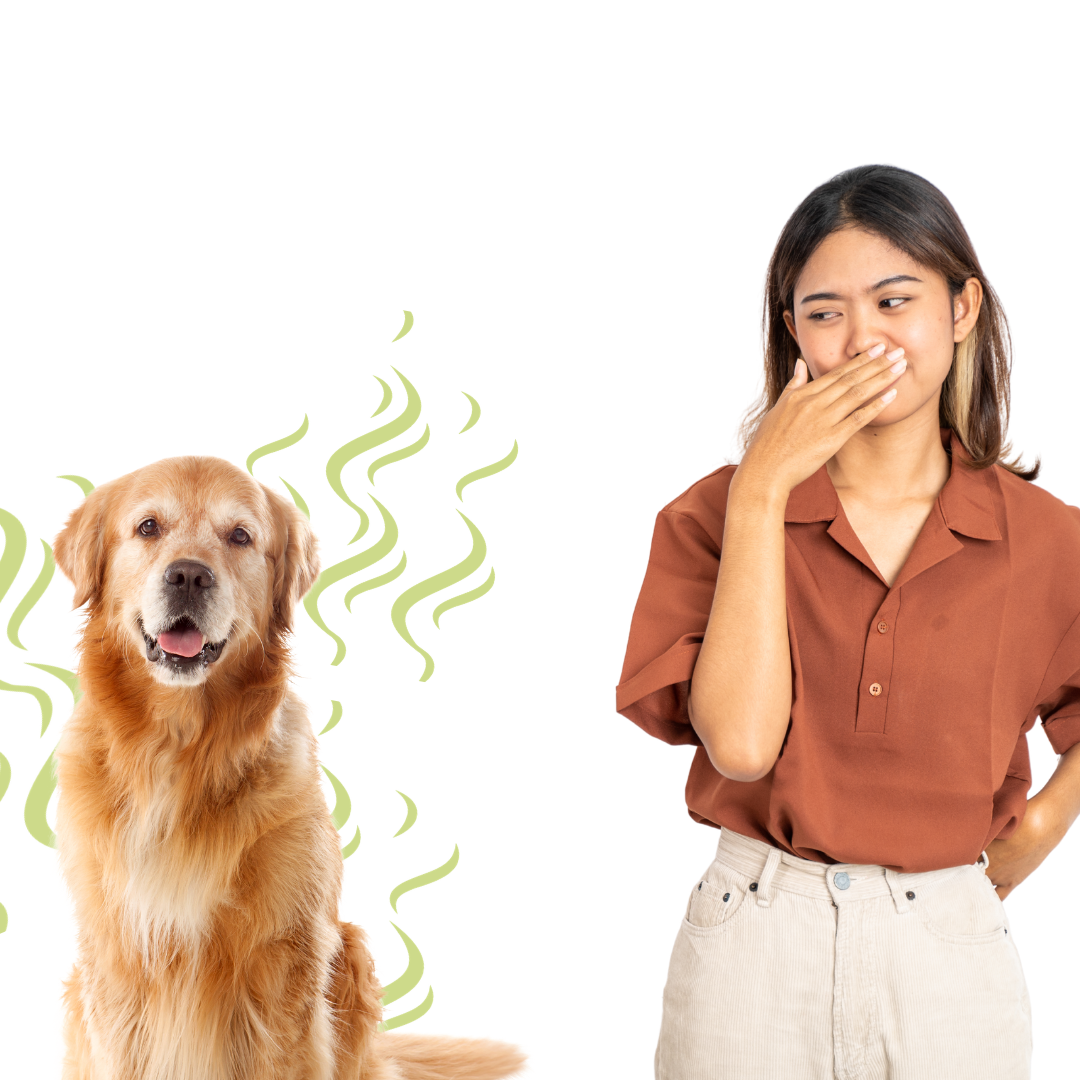
You've done your research. You've read the reviews. You've made the exciting decision to make a positive change to your dog's health, whether that's switching to a better quality food, introducing a new supplement, or starting a gut health protocol. You're expecting firmer stools, a shinier coat, a calmer, happier dog. And then... your dog seems a little off. Maybe slightly more gassy than usual. Perhaps a day or two of loose stools. Maybe they seem a bit lethargic or their skin looks a touch more irritated.
You start to panic. Have I done something wrong? Is this change not agreeing with them?
Before you reach for the bin bag and abandon everything you've started, take a deep breath, because what you might be witnessing is actually a very good sign. It's called the Herxheimer Reaction, and if you've never heard of it before, don't worry. By the end of this blog, you'll understand exactly what it is, why it happens, and most importantly, what you should do if your dog experiences it.
What on Earth Is the Herxheimer Reaction?
The Herxheimer Reaction, sometimes called a "Herx" or "die-off" reaction, is a short-term response that can occur when the body begins clearing out harmful bacteria, toxins, or other unwanted microorganisms at a faster rate than it can comfortably eliminate them. It was first described in the early 1900s by dermatologists Adolf Jarisch and Karl Herxheimer, who noticed it occurring in patients undergoing antibiotic treatment for syphilis. Since then, it has been widely recognised across both human and veterinary health as a natural part of the healing process (1,2).
In simple terms? It's the body doing a deep clean, and sometimes, just like when you're hoovering under the sofa and all the dust flies up before it gets sucked away, things can look a bit messier before they look better.
When a dog has had an imbalanced gut microbiome for some time, which let's be honest is the case for many of our beloved pets thanks to processed foods, antibiotics, and environmental stressors, harmful bacteria, yeast, and other pathogens have often been living quite comfortably in the gut for months or even years. When something changes in that environment, whether through a dietary shift, a new supplement, or any other positive health intervention, the gut begins to rebalance. The beneficial bacteria get a boost. The harmful ones start to die off.
And when they die, they release toxins.
Those toxins need to go somewhere. They flood the body's elimination pathways, including the liver, kidneys, gut, lymphatic system, and even the skin, all at once. If those pathways are a little overwhelmed, you'll see it reflected in your dog's symptoms. This is the Herxheimer Reaction. And crucially, it means that whatever change you've made is working.
What Kinds of Interventions Can Trigger It?
The Herxheimer Reaction can be triggered by a surprisingly wide range of positive health changes. It's not limited to any one type of product or protocol. Some of the most common triggers include introducing a higher quality or more natural diet, adding digestive enzymes or gut-supporting supplements, starting probiotics or prebiotics, switching away from heavily processed pet foods, or beginning any programme designed to support and rebalance the gut microbiome.
The key thing to understand is that the reaction is not caused by the intervention doing something harmful. It is caused by the intervention doing something right. The more out of balance your dog's gut was to begin with, the more the body has to work through during this transition period.
What Do Dog Owners Actually Report?
Dog owners who make positive changes to their pet's health routine sometimes notice unexpected changes in the first few days or weeks of a new protocol. Some of the most commonly reported experiences include:
- Loose stools or slightly mucousy poos. The gut is reorganising itself and eliminating dead bacteria. This is one of the most frequently noticed signs.
- Increased flatulence. A bit more gas in the short term is not unusual as the gut environment shifts and harmful bacteria begin to die off.
- Mild skin flare-ups or increased itching. The skin is one of the body's primary detox organs, and it sometimes becomes more active during a die-off period.
- Eye discharge or "gunky" eyes. Toxins exiting through the body's mucous membranes can occasionally cause this.
- Lethargy. Your dog might seem a little tired or quieter than usual for a day or two as the body works hard to process and eliminate toxins.
- Temporary digestive discomfort. Some dogs may seem uncomfortable in the tummy area initially as the gut microbiome begins to rebalance.
Here's the crucial thing: these symptoms are typically mild and short-lived. They usually appear within the first few days of a new intervention and resolve within a week or two as the body catches up with its housekeeping. After that, owners consistently report the benefits they were hoping for, firmer stools, reduced gas, improved coat condition, and a calmer, more settled dog.
So What Should You Do If Your Dog Has a Herx Reaction?
The good news is that managing a Herxheimer Reaction is entirely straightforward. Here's what we'd recommend.
- Don't panic, and don't stop immediately. A mild Herx reaction is a sign that something positive is happening in your dog's gut. Stopping a new health intervention at the first sign of any change means your dog never gets to experience the full benefits on the other side of the process.
- Slow down or reduce the dose temporarily. If the symptoms seem more than very mild, simply reduce the amount of whatever supplement or new food you're introducing for a few days and then gradually build back up. This gives the body's elimination pathways a chance to catch up without being overwhelmed.
- Keep your dog well hydrated. Fresh water is your dog's best friend during this period. Good hydration helps the kidneys and liver flush toxins out more efficiently. Some owners also find that a little dog-friendly bone broth is a lovely way to encourage their dog to drink more.
- Give it time. Most Herxheimer symptoms in dogs resolve within a few days to two weeks. Once the body has cleared the initial backlog of toxins, things settle down considerably, and that's when the real transformation begins.
- Contact your vet if you're concerned. If symptoms are severe, involve vomiting, blood in the stool, significant lethargy, or anything that feels more serious than a mild digestive blip, always consult your vet. While Herx reactions are typically benign and self-resolving, it's always wise to rule out any other underlying issues.
The Bigger Picture: It Gets Better…Significantly Better!
We know it can be disheartening to see your dog feel a little rough in the first few days of a new health protocol, especially when you started it to help them feel better. But the Herxheimer Reaction is a well-understood, natural response that has been observed across all manner of gut health interventions in both humans and animals. It is, in essence, the biological equivalent of things getting a bit messy before the deep clean is complete.
The dogs that come out the other side of this transition period are the ones whose owners trusted the process. Firmer, well-formed stools. Noticeably less gas. Calmer temperaments. Healthier skin and coat. Better energy levels. These are the kinds of results that a genuine gut rebalancing can deliver, and for the vast majority of dogs, they arrive reliably once the body has had the chance to do what it needs to do.
So if your dog is going through a brief period of adjustment after a positive health change, take heart. You haven't made a mistake. You've made one of the best decisions you could for your dog's long-term health, and their gut is simply catching up with you.
Always consult your vet before making significant changes to your dog's diet or health routine, particularly if your dog has existing health conditions.
References
- Cleveland Clinic. (2026, February 19). Jarisch–Herxheimer reaction. https://my.clevelandclinic.org/health/diseases/herxheimer-reaction
- Santos-Longhurst, A. (2019, June 28). What a Candida die-off is and why it makes you feel so lousy. Healthline. https://www.healthline.com/health/infection/candida-die-off

Share:
Are Supplements the Missing Link in Modern Dog Diets?
5 Signs Your Dog Isn't Absorbing Nutrients Properly