


We spend a lot of time thinking about what goes into our dogs' bowls. Grain-free or not? Raw or cooked? Chicken or salmon? But a growing body of research suggests that what's happening around your dog, the floor they sprawl across, the toys they shred, the air freshener you spritz in the hallway, may be just as important as anything on the ingredient panel.
The culprit? A family of chemicals called phthalates (pronounced thal-ates — the p is as silent as the safety warnings on the packaging). And once you understand what they are and where they hide, it's rather difficult to unsee them...
What Are Phthalates, and Why Should Dog Owners Care?
Phthalates are plasticisers, chemicals added to hard plastics to make them soft, flexible, and durable. They're in vinyl flooring, shower curtains, cling film, rubber dog toys, synthetic fabrics, and a vast array of fragranced products. The problem is they aren't chemically bonded to the materials they're mixed into. So they migrate. Into the air, into dust, into food, and ultimately, into your dog.
Vet and writer Nick Thompson recently highlighted research showing that phthalate breakdown products were found in pet dogs at average levels higher than those measured in more than 80 per cent of Americans tested nationally, and these were dogs living in the same homes as their owners. A separate study using silicone wristbands found striking chemical similarities between dogs and the people they live with. Your dog, it turns out, is a walking chemical diary of your household.
This matters because phthalates aren't merely a background nuisance. They're endocrine disruptors, meaning they interfere with the body's hormonal systems. Research has linked them to reproductive damage, liver toxicity, and cancer. These aren't theoretical concerns sitting in a laboratory somewhere. They're showing up in animals sleeping on our sofas.
Why Dogs Are So Vulnerable
Here's the thing about dogs: they don't pass through a room the way we do. They inhabit the floor of it. They press their noses into carpet fibres, lick the skirting board for reasons no one has ever satisfactorily explained, and spend a significant portion of their waking hours hoovering up household dust, which, in the average British home, is quietly loaded with phthalates off-gassing from vinyl tiles, soft furnishings, and synthetic materials.
Every time your dog sniffs, licks, or grooms themselves, they're ingesting that dust. Their small body weight relative to their exposure means the dose-per-kilogram can be considerably higher than what a human in the same room receives. Children face a similar problem for the same reason, which is precisely why phthalates are now regulated in children's toys. They are not, however, regulated in pet toys.
That squeaky rubber toy your dog has been gnawing on since Christmas? Research has found that rubber pet toys can leach phthalates and BPA into saliva, with chewing and ageing making things worse. The leachates have shown hormone-disrupting activity in laboratory testing. There is no required testing for pet toys. No label to look for. No regulatory body watching the aisle.
Where Else Are They Hiding?
The list is longer than most people expect:
- Vinyl flooring is the biggest single source in most homes. The "luxury vinyl tiles" that now cover half the kitchens and hallways in Britain release phthalates slowly over time, and they accumulate in the dust your dog is lying in all day.
- Fragrance products are a surprising one. The word "fragrance" on a label is, legally speaking, a black box — manufacturers aren't required to disclose what's in it. A 2007 study by the NRDC tested 14 popular air fresheners; twelve contained phthalates, and several were labelled "all natural." That plug-in making your living room smell of vanilla and cedarwood may be doing something rather less wholesome in the background.
- Cling film and food packaging remain a source, particularly through the industrial food chain. The more processed and pre-packaged the food — for humans and dogs alike — the more opportunity there is for chemical migration during processing and storage.
- Rubber and synthetic toys deserve a second look. Swapping to natural rubber or rope alternatives is a simple change that removes one meaningful source of exposure.
What Can You Actually Do?
The good news is that phthalate exposure isn't fixed. Studies consistently show that targeted changes to the home environment can meaningfully reduce the chemical burden on both dogs and their owners.
Some practical starting points: swap vinyl flooring where you can (or at minimum, keep it well-ventilated and reduce your dog's time lying directly on it). Replace synthetic shower curtains with fabric or PEVA alternatives. Ditch the plug-in air fresheners and opt for fragrance-free cleaning products or those using genuine essential oils with full ingredient transparency. Check dog toys and lean towards natural materials. And look at food packaging, wax wraps and glass containers are simple swaps that reduce contact with plasticised surfaces.
None of this requires an overnight overhaul. Small, deliberate changes accumulate into a meaningfully cleaner home environment.
The Body Burden Problem — and What It Means for the Gut
There's a dimension to this story that often gets overlooked: the downstream effect of chemical exposure on the gut. Phthalates and other endocrine disruptors don't just affect hormones in isolation. Research increasingly points to their influence on the gut microbiome, the complex community of bacteria that governs digestion, immune function, behaviour, and even skin health.
A disrupted microbiome doesn't just mean loose stools or the occasional bout of flatulence (though it certainly means those things too). An imbalanced gut can contribute to inflammation, anxiety, poor nutrient absorption, and a dull coat. The gut-brain axis means that a dog with a compromised microbiome is often also a dog that seems a little off: harder to settle, less focused, more reactive.
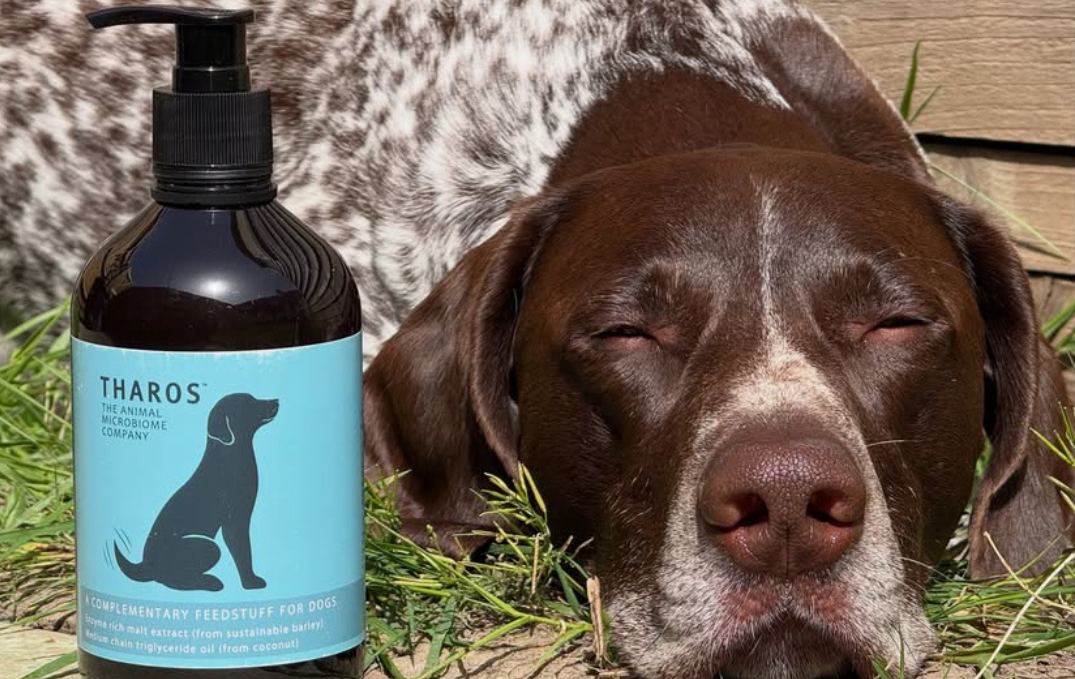
This is where nutritional support becomes relevant alongside environmental changes. CaniNectar is a natural supplement made from malted barley, using ancient artisan varieties that have been prized across Europe for over 800 years for their high enzyme content. Produced using a patented process that preserves those naturally occurring enzymes, it delivers digestive support in a form dogs actually enjoy.
The enzyme profile is notable: protease for protein breakdown, lipase for fat digestion, amylase for starch, and several others that help the dog's system process plant fibres and complex carbohydrates more efficiently. Alongside these, CaniNectar provides a full complement of B vitamins, key minerals including zinc, selenium, and magnesium, and a range of natural antioxidants, ferulic acid, catechins, and other phenolic compounds, that help counter oxidative stress.
For dogs navigating the background chemical load of a modern home, that antioxidant and gut-supportive profile matters. You can't remove every phthalate from your dog's environment overnight. But you can work to support the systems that bear the brunt of that exposure, the gut, the immune system, the liver, so the body is better placed to handle what it encounters.

The Bigger Picture
There's something quietly unsettling about the realisation that our homes, spaces we associate with comfort, safety, and warmth, are also environments our dogs are being chemically exposed to around the clock. The research on phthalates isn't alarmist fringe science. It's mainstream toxicology, and it's been building for years.
The response needn't be panic. It can simply be attention: a more careful read of ingredient labels, a few considered swaps, a willingness to ask what's actually in the products sharing a home with a creature that spends its entire life much closer to the floor than we do.
Your dog trusts you to make those calls. That feels like reason enough to start making them.
Interested in supporting your dog's gut health naturally? Find out more about CaniNectar.


Share:
Bugsy's & Charlie's Story
Alfred's and Nelly's Story