

Dog Health News

Can Weather Changes Affect Your Dog’s Digestion?
The British weather is nothing if not unpredictable. From sudden downpours to crisp autumn mornings, our dogs experience these changes alongside us.

The Gut-Skin Connection in Dogs: How Diet Affects Your Dog's Coat and Health
As pet owners, we often think of our dog's skin and coat health as separate from their digestive system. However, research is revealing a fascinating connection between what happens in your dog's gut and the health of their skin and coat.
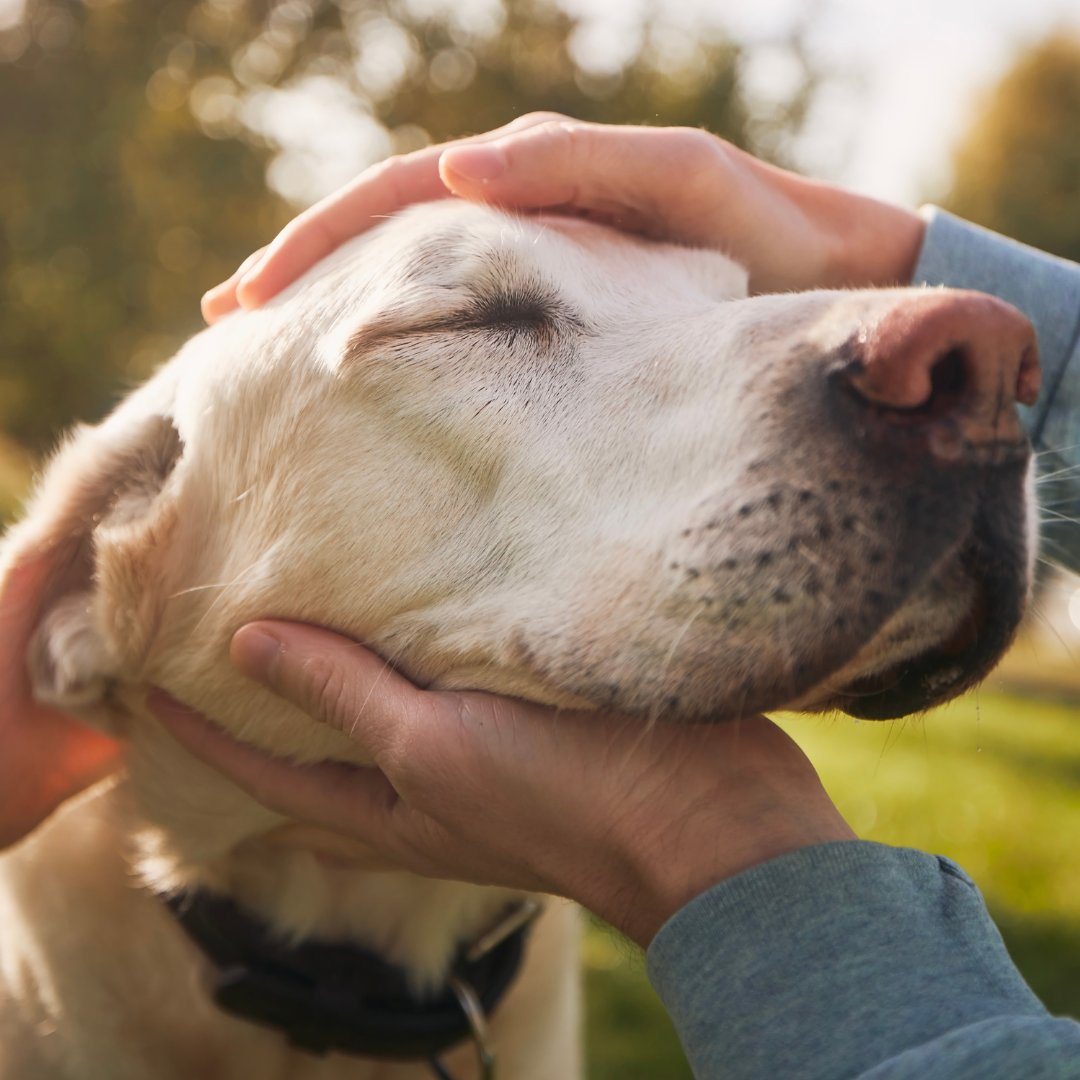
Common Health Problems in Older Dogs: Signs to Watch For
As our beloved dogs age, they face numerous health challenges that can significantly impact their quality of life. Understanding these age-related issues is crucial for every dog owner who wants to ensure their furry friend enjoys comfortable golden years.

The Role of Exercise in Canine Digestive Health: How Physical Activity Optimises Gut Function
While most dog owners understand that exercise is essential for their pet's physical fitness and mental wellbeing, fewer realise the profound impact that physical activity has on digestive health.

Travel and Digestive Upset: Managing Your Dog's Gut Health on the Go
For many dog owners, travelling with their dogs brings both excitement and apprehension. Whilst we eagerly anticipate exploring new places with our dogs, travel can wreak havoc on canine digestive systems.

How Heat Can Cause Digestive Distress in Dogs
As temperature rises during summer months, dog owners often notice changes in their pets' behaviour and health. While panting and lethargy are recognisable signs of heat stress, fewer pet parents are aware that hot weather can significantly impact canine digestive health.

Why Dogs Need to Chew and How Digestive Support Complements This Natural Behaviour
Recent scientific research has shed light on a fundamental canine behaviour that many dog owners might take for granted: chewing.
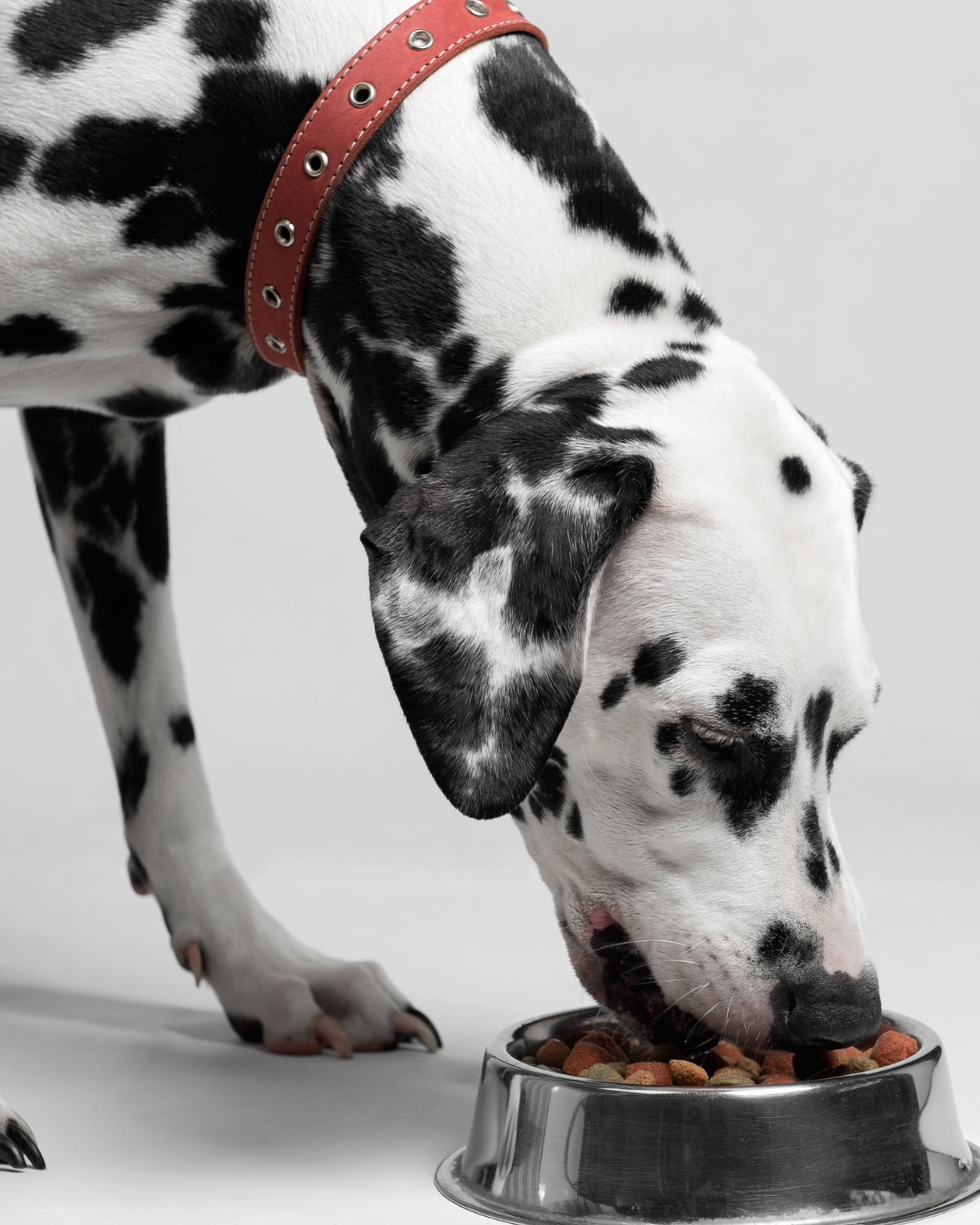
Poisonous Foods for Dogs: A Comprehensive Guide to Canine Dietary Safety
As responsible pet owners, ensuring the health and wellbeing of our dogs stands paramount amongst our duties. Whilst dogs have evolved alongside humans for millennia, their digestive systems and metabolic processes differ significantly from our own.

Safe Human Foods for Dogs: A Comprehensive Guide
We often want to share our food with our dogs. While commercial dog food provides complete nutrition, there are many human foods that can be safely incorporated into your dog's diet as occasional treats or supplements.