

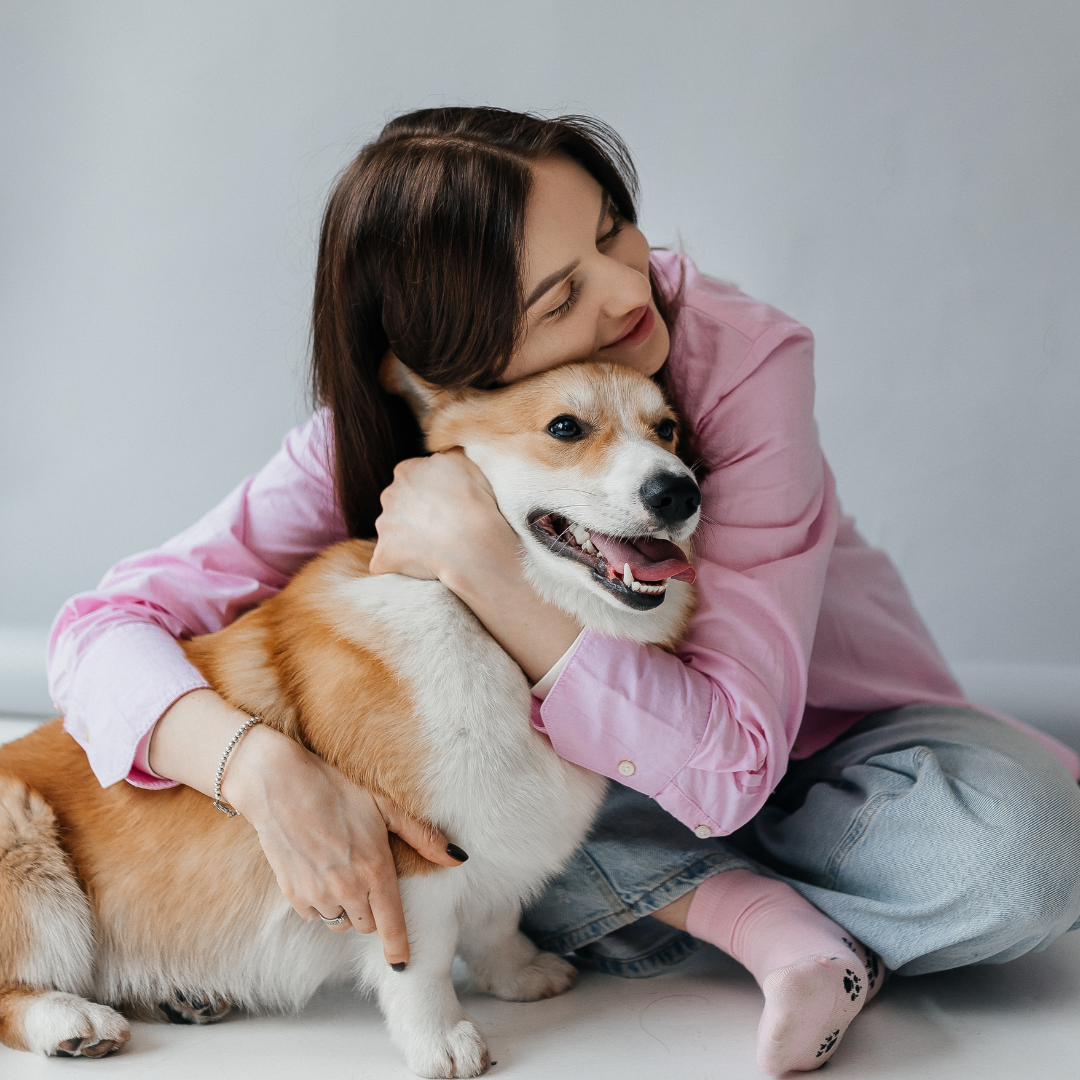
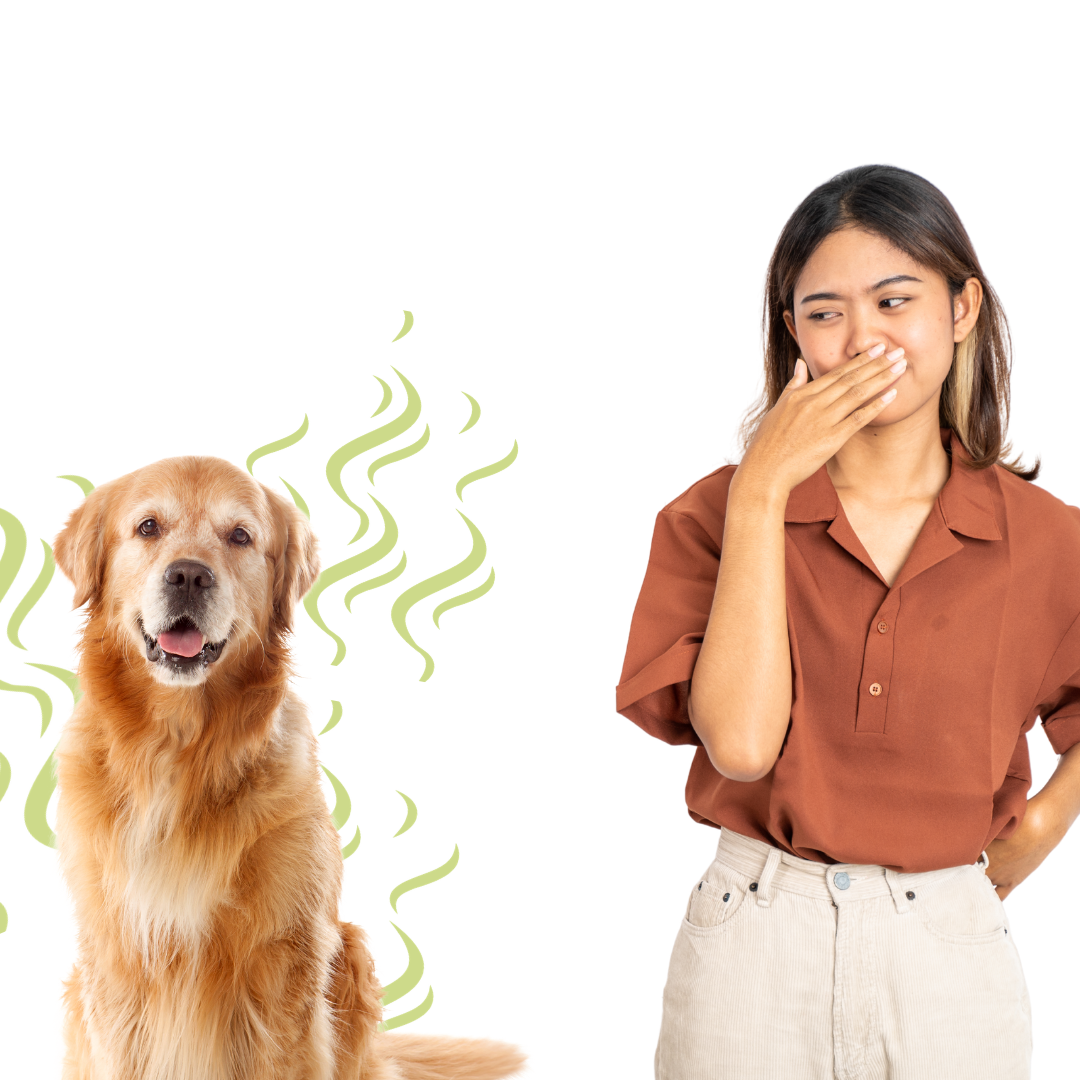
If you've ever buried your nose into your dog's fur and recoiled at a musty, almost cheesy odour, you're not alone. That distinctive smell (often compared to corn chips, stale bread, or old cheese) is one of the most common complaints amongst dog owners, and it's something many people simply accept as an unavoidable part of dog ownership. But here's the thing: it isn't normal, and it doesn't have to be your reality.
That pungent whiff is frequently a sign of yeast overgrowth, and while it might seem like a skin or coat issue on the surface, the root cause often lies somewhere far more unexpected, deep within your dog's digestive system.
What Is Yeast Overgrowth in Dogs?
Yeast, specifically Malassezia pachydermatis, is a naturally occurring fungus that lives on the surface of your dog's skin [1, 7]. In small, balanced amounts, it causes no problems whatsoever. However, when the conditions are right, warm, moist environments, a weakened immune response, or an imbalanced internal ecosystem, yeast can proliferate rapidly and begin to cause real discomfort [7].
You might notice:
- A musty, sour, or "corn chip" smell coming from your dog's coat, ears, or paws
- Greasy, flaky, or discoloured skin
- Intense itching, scratching, or rubbing against furniture
- Dark, rust-coloured staining around the muzzle, paws, or groin
- Recurring ear infections with a dark, waxy discharge
- Thickened or "elephant-like" skin in chronic cases
Many owners reach for medicated shampoos or antifungal treatments, which can provide short-term relief. But unless the underlying cause is addressed, yeast tends to come roaring back. And that underlying cause, more often than not, is an unhealthy gut.
The Gut–Skin Axis: More Connected Than You Think
Science is increasingly recognising what's known as the gut–skin axis. In simple terms: what's happening inside your dog's gut has a profound effect on what's happening on the outside [2].
Here's how it works:
- A disrupted microbiome creates the conditions for yeast Your dog's gut is home to trillions of bacteria, fungi, and other microorganisms collectively known as the gut microbiome. In a healthy gut, these microorganisms live in careful balance, with beneficial bacteria keeping opportunistic pathogens — including yeast — firmly in check. When this balance is disrupted (a condition known as dysbiosis), the checks and balances break down [5]. Harmful organisms, including yeast, are given the opportunity to thrive, not just in the gut, but systemically, including on the skin.
- Poor digestion leads to nutrient deficiencies The health of your dog's skin and coat is directly tied to how efficiently their body absorbs nutrients. Essential fatty acids, B vitamins, zinc, and selenium all play critical roles in maintaining the skin barrier and producing a glossy, resilient coat [4]. When digestion is compromised, whether due to insufficient digestive enzymes, gut inflammation, or microbial imbalance, these nutrients simply aren't absorbed effectively, even if your dog is eating a nutritionally complete diet. The result is dry, itchy, inflamed skin that becomes increasingly vulnerable to yeast colonisation.
-
Gut inflammation drives systemic inflammation An unhealthy gut is a leaky gut. When the intestinal lining is compromised, partially digested food particles and microbial toxins can enter the bloodstream, triggering a widespread inflammatory response [6]. This chronic, low-grade inflammation weakens the skin's natural defences, disrupts the local microbiome on the skin's surface, and creates precisely the warm, inflamed environment in which yeast flourishes.
- The immune connection Approximately 70% of the immune system is housed in the gut-associated lymphoid tissue [3]. A healthy gut microbiome helps train and regulate the immune response, including the body's ability to keep opportunistic organisms like yeast under control. When gut health suffers, immune function suffers with it, leaving your dog far more susceptible to recurring yeast infections, among other issues.
Breaking the Cycle
Many dogs with chronic yeast problems are caught in a frustrating loop. The yeast causes inflammation and discomfort [7]; the dog scratches and licks, introducing bacteria and further damaging the skin; treatments address the symptoms temporarily, but without gut health support, the yeast returns. Breaking this cycle requires addressing the root cause: restoring a healthy, balanced gut.
This means focusing on:
- Improving digestive efficiency, so that food is properly broken down and nutrients are fully absorbed
- Rebalancing the gut microbiome, supporting the beneficial bacteria that keep yeast in check
- Reducing gut inflammation, which in turn reduces systemic and skin inflammation
- Supporting the immune system, so your dog's own defences can do their job

How CaniNectar Supports Gut Health and a Healthier Coat
This is where CaniNectar comes in. Made from malted barley using ancient, artisan varieties that have been valued in Europe for over 800 years, CaniNectar is produced using a patented process that preserves the naturally occurring enzymes and nutrients within the grain. It's a wholesome, natural supplement that works with your dog's biology to support genuine gut health from the inside out.
Digestive Enzymes: The Foundation of Absorption
CaniNectar contains a broad spectrum of naturally occurring digestive enzymes that directly support the breakdown and absorption of nutrients from food.
Protease breaks down proteins into amino acids, the building blocks needed for healthy skin cell regeneration and coat protein production. Lipase supports fat digestion, which is critical for the absorption of fat-soluble nutrients and for maintaining the lipid barrier of the skin. Amylase aids starch digestion for steady energy release, while Fructanase breaks down fructans from plant-based ingredients that can otherwise ferment in the gut and contribute to dysbiosis.
Particularly relevant for gut health are Cellulase, Xylanase, and Beta-Glucanase, which assist in digesting plant fibres and complex carbohydrates, fibres that, when properly processed, serve as prebiotics for beneficial gut bacteria. Phytase enhances mineral absorption, including the zinc and selenium that are so critical for immune function and skin health.
When digestion is working efficiently, your dog is actually getting the nutrition their food promises, and that shows up in their skin, coat, and overall wellbeing.
B Vitamins: Skin, Coat, and Metabolism Support
CaniNectar is naturally rich in essential B vitamins, which play a direct role in skin health and coat condition.
Riboflavin (B2) is essential for healthy skin and metabolism. Pyridoxine (B6) supports protein metabolism, which underpins the production of keratin, the primary structural protein in fur. Folate (B9) is crucial for healthy cell growth and renewal, keeping the skin barrier intact and functional. B12 maintains nerve function and supports red blood cell production, ensuring the skin receives adequate oxygen and nutrients via the circulatory system.
Deficiencies in B vitamins are a known contributor to poor coat condition, dry flaky skin, and compromised skin barrier function, all of which make yeast overgrowth more likely.
Antioxidants: Combating Inflammation
CaniNectar contains powerful natural antioxidants, including Ferulic Acid, Flavan-3-ols (such as catechins and epicatechins), and other phenolic acids including vanillic acid, p-coumaric acid, and syringic acid. These compounds help combat oxidative stress and support a healthy inflammatory response, targeting one of the key mechanisms by which poor gut health manifests as skin problems.
By reducing inflammation both internally and at the skin's surface, these antioxidants help create an environment that is far less hospitable to yeast overgrowth.
Key Minerals for Skin Defence
The Zinc in CaniNectar is particularly significant here, as zinc plays a well-established role in wound healing, immune function, and maintaining the integrity of the skin barrier. Selenium is a powerful antioxidant that boosts immune defences, while Magnesium and Potassium support overall cellular health and function.
What to Expect
Gut health improvements don't happen overnight, and neither do the changes to your dog's skin and coat. Most owners who support their dog's gut health consistently begin to notice improvements within four to eight weeks, firmer stools, reduced flatulence, a calmer demeanour, and gradually, a shinier coat and less noticeable odour.
CaniNectar is formulated to be a delicious daily addition to your dog's routine, just a few drops over their food is all it takes to begin supporting the gut health that underlies so much of their overall wellbeing.
The Bottom Line
If your dog smells less than fresh, don't reach straight for the shampoo bottle. Take a moment to consider what's happening on the inside. Yeasty skin and coat odour is rarely just a surface problem — it's often your dog's body signalling that their gut health needs attention.
By supporting healthy digestion, a balanced microbiome, and robust nutrient absorption, you're not just tackling the smell at its source, you're investing in your dog's long-term health, comfort, and happiness.
A healthy gut. A happy dog. A much better-smelling cuddle.
References
- Bajwa J. (2017). Canine Malassezia dermatitis. The Canadian veterinary journal = La revue veterinaire canadienne, 58(10), 1119–1121. https://pmc.ncbi.nlm.nih.gov/articles/PMC5603939/
- Campmany, J. (n.d.). Skin problems in dogs and the intestinal microbiota. Vets & Clinics. https://vetsandclinics.com/en/library/skin-problems-in-dogs-and-the-intestinal-microbiota
- Vighi, G., Marcucci, F., Sensi, L., Di Cara, G., & Frati, F. (2008). Allergy and the gastrointestinal system. Clinical and experimental immunology, 153 Suppl 1(Suppl 1), 3–6. https://doi.org/10.1111/j.1365-2249.2008.03713.x
- Marchegiani, A., Fruganti, A., Spaterna, A., Dalle Vedove, E., Bachetti, B., Massimini, M., Di Pierro, F., Gavazza, A., & Cerquetella, M. (2020). Impact of Nutritional Supplementation on Canine Dermatological Disorders. Veterinary sciences, 7(2), 38. https://doi.org/10.3390/vetsci7020038
- Kim, H., Chae, Y., Cho, J. H., Song, M., Kwak, J., Doo, H., Choi, Y., Kang, J., Yang, H., Lee, S., Keum, G. B., Wattanaphansak, S., Kim, S., & Kim, H. B. (2025). Understanding the diversity and roles of the canine gut microbiome. Journal of animal science and biotechnology, 16(1), 95. https://doi.org/10.1186/s40104-025-01235-4
- Weir, M., & Barnette, C. (2024). Leaky gut syndrome in dogs. VCA Animal Hospitals. https://vcahospitals.com/know-your-pet/leaky-gut-syndrome-in-dogs
- Williams, K., Hunter, T., & Ward, E. (2022). Yeast dermatitis in dogs. VCA Animal Hospitals. https://vcahospitals.com/know-your-pet/yeast-dermatitis-in-dogs
Share:
Why B Vitamins Are Essential for Your Dog's Health — And How CaniNectar Can Help
Alfred's and Nelly's Story