

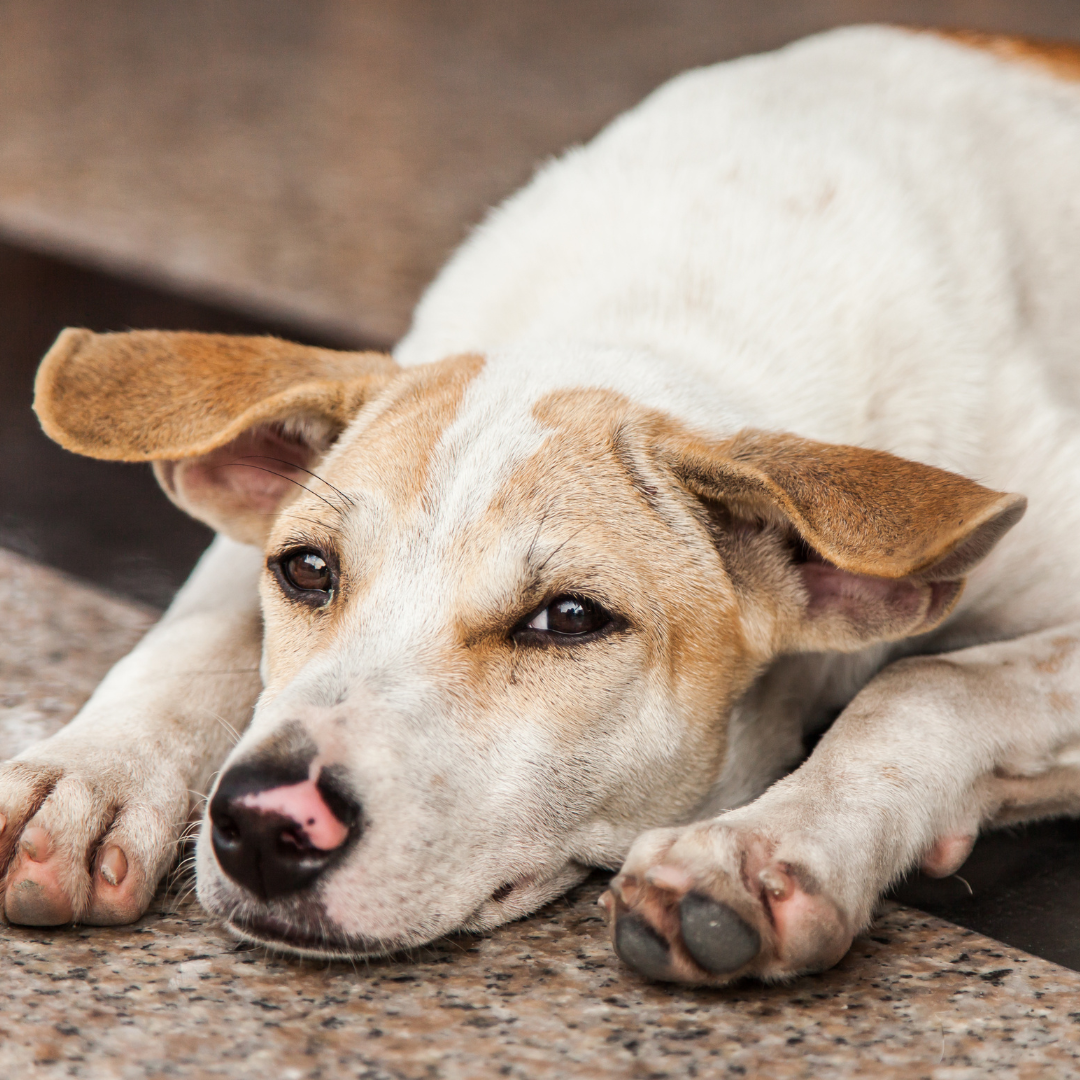
When we observe aggressive behaviour in dogs, we often attribute it to training issues, poor socialisation, or breed characteristics. However, emerging research is revealing a far more complex picture—one that connects anxiety, aggression, and the gut microbiome. Understanding this relationship could transform how we approach behavioural problems in our canine companions.
The Anxiety-Aggression Connection
Aggression in dogs rarely exists in isolation. Whilst some aggressive behaviours stem from dominance or territoriality, a significant proportion are actually rooted in fear and anxiety (1). This phenomenon, known as fear-based or defensive aggression, occurs when dogs feel threatened and believe they have no other option but to respond aggressively. In essence, anxiety doesn't just accompany aggression—it often drives it.
Research has demonstrated that fearful dogs are significantly more aggressive than non-fearful dogs (2). This makes intuitive sense when we consider that aggression is fundamentally a survival mechanism. When a dog experiences chronic anxiety, their stress response system remains in a state of heightened alert. In this state, situations that might seem innocuous to a calm dog can be perceived as genuine threats, triggering an aggressive defensive response.
The co-morbidity between anxiety and aggression is well-documented. A comprehensive study of companion dogs found substantial overlap between animals rated as having higher anxiety and those displaying increased aggression (1). Many dogs in the study exhibited both higher aggression and anxiety scores, suggesting that in numerous cases, aggressive behaviours may be symptomatic expressions of underlying anxiety rather than independent issues. This finding has important implications for how we approach treatment—addressing the root anxiety may be more effective than attempting to suppress aggressive behaviours directly.
The Gut-Brain Axis: Understanding the Connection
One of the most significant developments in behavioural science is the discovery of the gut-brain axis—a bidirectional communication network linking the gastrointestinal tract with the central nervous system (2). This connection means that the trillions of bacteria residing in a dog's digestive system may actually influence their emotional state and behaviour.
The gut microbiome produces neurotransmitters and hormones, including gamma-aminobutyric acid (GABA), serotonin, norepinephrine, and dopamine—all of which play crucial roles in regulating mood, anxiety, and behavioural responses (2). When the gut microbiome is in a state of dysbiosis (imbalance), it can potentially disrupt these neurotransmitter systems, leading to altered behaviour and emotional states.
Recent research has identified specific bacterial genera associated with anxiety and aggression in dogs. A study by Pellowe et al. found that dogs with higher anxiety scores exhibited greater diversity in gut microorganisms compared to non-anxious dogs (1). Whilst greater diversity is typically associated with gut health, the specific types of bacteria present appear to be equally important.
Blautia: A Key Player in Canine Anxiety
One bacterial genus has emerged as particularly significant in the anxiety-aggression connection: Blautia. This genus was consistently identified across multiple analytical approaches as being associated with anxiety in pet dogs (1). Dogs with higher anxiety levels showed increased proportions of Blautia in their gut microbiome, with specific species such as Blautia hansenii being linked to stranger-directed fear.
The role of Blautia in canine health is complex. In some contexts, Blautia species are associated with protective effects, whilst in others, increased abundance has been linked to gastrointestinal disease and other health issues (1). This highlights the importance of understanding not just whether certain bacteria are present, but their functional roles within the broader microbial community.
Other bacterial families have also been implicated in the anxiety-behaviour connection. The family Oscillospiraceae and various members of the Lachnospiraceae family, to which Blautia belongs, have been correlated with behavioural changes induced by stress in multiple mammalian models (1). These bacteria may be involved in inflammatory pathways that ultimately affect brain function and behaviour.
Machine-learning models demonstrated that gut microbiota composition could predict behavioural groups with considerable accuracy. Using compositional balance models, researchers achieved an AUC-ROC of 0.856 in distinguishing between higher and lower anxiety dogs based solely on their gut bacteria (1). This predictive capability underscores the strength of the relationship between gut health and behaviour.
From Gut Inflammation to Behavioural Changes
The mechanism by which gut bacteria influence behaviour likely involves multiple pathways. Long-term stress associated with behavioural disorders may increase intestinal permeability, allowing endotoxins from the gut lumen to enter the bloodstream (1). This triggers peripheral inflammation, which can eventually affect the central nervous system, impacting mental health and behaviour.
Furthermore, certain bacterial families can influence the production of short-chain fatty acids (SCFAs), which play crucial roles in maintaining intestinal wall integrity. When SCFA concentrations decrease, it can lead to intestinal wall dysfunction and increased inflammation (1). This inflammatory cascade may ultimately manifest as altered behaviour, including increased anxiety and aggression.
The Importance of Diet and Digestive Health
Given the emerging evidence linking gut health to behaviour, dietary factors warrant serious consideration. The gut microbiome is significantly influenced by nutrition, with different dietary components leading to increases or decreases in certain microbial populations (2). Diet type, whether commercial kibble, raw food, or mixed diets, has been shown to affect the composition of the canine gut microbiome substantially.
Factors such as protein content, fibre levels, and the presence of fermentable substrates all influence which bacterial species thrive in the gut (2). This suggests that optimising digestive health through appropriate nutrition could potentially support better behavioural outcomes.
The Promise of Nutritional Intervention

Nutritional interventions targeting the gut microbiome represent a promising avenue for addressing anxiety and aggression in dogs. This is where products like CaniNectar may play a valuable role.
CaniNectar is formulated to support digestive health through a unique blend of naturally occurring enzymes, vitamins, antioxidants, and minerals derived from malted barley. These components work synergistically to enhance nutrient absorption and support a healthy gut microbiome. By improving digestive efficiency and promoting beneficial bacteria, CaniNectar may help restore microbial balance and reduce the dysbiosis associated with anxiety and aggression.
The product's enzyme content—including protease, lipase, amylase, fructanase, cellulase, xylanase, beta-glucanase, and phytase—aids in breaking down nutrients more efficiently, which can reduce digestive stress and potentially decrease gut inflammation (3). These enzymes help dogs extract maximum nutritional value from their food, supporting overall digestive function.
The B vitamins present in CaniNectar, including thiamine, riboflavin, niacin, pyridoxine, folate, and vitamin B12, support energy metabolism and nervous system function (3). Given the role of neurotransmitter production in the gut-brain axis, adequate B vitamin levels are particularly important for maintaining optimal neurological health.
The antioxidants in CaniNectar, including ferulic acid, flavan-3-ols, and various phenolic acids, help protect cells from oxidative stress (3). This is relevant because oxidative stress can contribute to inflammation, which as discussed earlier, may play a role in behavioural changes.
Additionally, the minerals provided—including magnesium, potassium, selenium, zinc, and iron—support various physiological functions (3). Magnesium, for instance, supports muscle function and nerve health, both important for managing stress responses. These minerals contribute to overall systemic health, creating a foundation for improved well-being.
Studies have demonstrated that digestive supplements can lead to improvements in stool quality and reductions in harmful bacteria (2). By promoting a balanced gut microbiome through enhanced digestion and nutrient absorption, products like CaniNectar may help create the physiological conditions for improved emotional regulation.
Looking Forward
The intersection of anxiety, aggression, and gut health in dogs represents a rapidly evolving field with significant implications for animal welfare. As we continue to unravel the complexities of the gut-brain axis, we may discover new, less invasive approaches to managing behavioural problems that have historically been challenging to address.
For dog owners struggling with anxiety-related aggression in their pets, paying attention to gut health through quality nutrition and appropriate supplementation like CaniNectar may provide meaningful support alongside conventional behavioural interventions. Whilst we await further research to fully understand these connections, ensuring optimal digestive health appears to be a sensible component of any comprehensive behavioural modification programme.
The journey towards understanding the canine gut-brain axis has only just begun, but the path forward looks promising—one where a healthy gut may indeed lead to a happier, calmer, and less reactive dog.
References
Pellowe, S. D., Zhang, A., Bignell, D. R. D., Peña-Castillo, L., & Walsh, C. J. (2025). Gut microbiota composition is related to anxiety and aggression scores in companion dogs. Scientific Reports, 15(1), 24336. https://doi.org/10.1038/s41598-025-06178-4
Crisante, A., Newberry, F., Clegg, S. R., Mitchell, G. L., Pike, T. W., Ratcliffe, V., Spain, A., Wilkinson, A., Zulch, H., & Mills, D. S. (2025). A critical review of research concerning the gut microbiome in dogs and its relationship with behaviour. Applied Animal Behaviour Science, 292, 106755. https://doi.org/10.1016/j.applanim.2025.106755
CaniNectar. (n.d.). Science of CaniNectar. Retrieved from https://www.caninectar.com



Share:
Skin and Coat – Visible Signs of Inner Health
How Your Dog's Gut Health Could Prevent Anal Gland Problems