

If you've ever witnessed your dog scooting across the carpet, leaving you both embarrassed and concerned, you're far from alone. Anal gland issues affect approximately one in six dogs, making it one of the most common reasons for veterinary visits in the UK (1). But what if the solution to this uncomfortable problem isn't just about manual expression at the vet's surgery, but rather lies in something far more fundamental—your dog's gut health?
The Anal Gland Problem: More Common Than You Think
Let's address the elephant—or should we say, the scooting dog—in the room. Anal gland dysfunction is remarkably prevalent, with around 2.3% of dogs requiring veterinary care for these issues each year (1). For many pet owners, the telltale signs become all too familiar: that distinctive scooting behaviour, excessive licking at the rear end, or that unmistakable fishy odour that seems to appear out of nowhere (2, 3).
Traditional management typically involves regular trips to the vet for manual expression. Whilst some dogs might only need this once or twice a year, others find themselves requiring attention every four to six weeks (1). For many owners, this becomes not just a recurring inconvenience, but also an ongoing expense. Moreover, approximately 36% of dogs experience recurring problems (1), suggesting that manual expression alone isn't addressing the underlying issue.

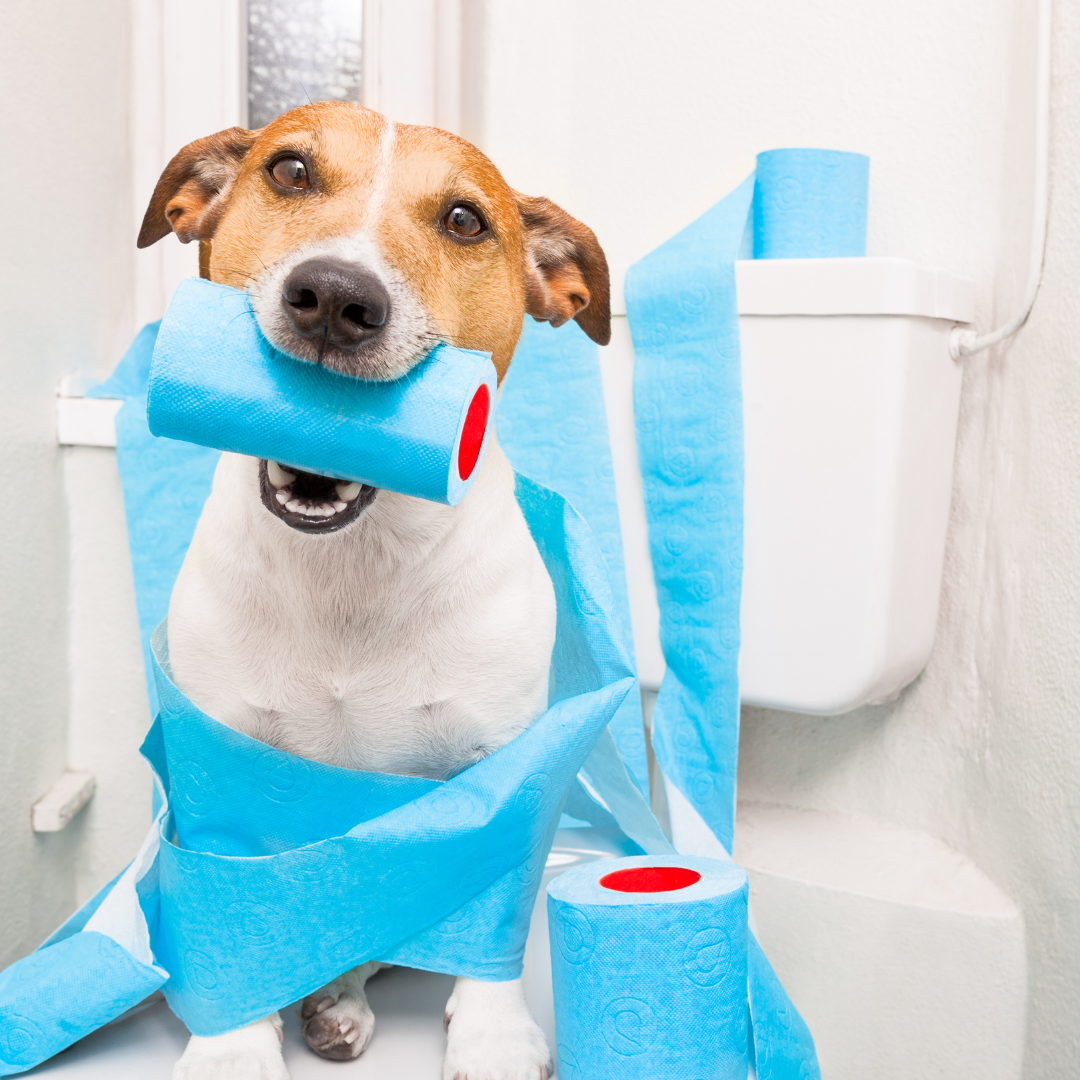
This image is from PDSA, a wonderful UK veterinary charity that has been keeping people and pets together for over a hundred years. PDSA provides essential veterinary care to pets whose owners can't afford the full cost of treatment, caring for approximately 4,700 pets every working day across their Pet Hospitals. PDSA receives no government funding and relies entirely on donations and public support to continue their vital work. They prevent illness, educate communities about pet wellbeing, and treat sick and injured animals in need. For more information about PDSA's incredible work, to donate, or to find out how you can help, please visit: www.pdsa.org.uk
Understanding the Root Cause
To truly understand anal gland problems, we need to look at how these glands are meant to function naturally. Anal glands are small sacs located on either side of your dog's anus at approximately the four o'clock and eight o'clock positions (2). They serve an important purpose in canine communication, releasing a scent when your dog passes stools. In a healthy dog with optimal digestive function, these glands should empty naturally with each bowel movement (3, 4).
The key word here is "should." The natural emptying mechanism relies on one crucial factor: firm, well-formed stools (3, 5). When your dog passes a properly formed stool, it creates just the right amount of pressure against the anal glands, causing them to express naturally—exactly as nature intended.
However, when stools are too soft, inconsistent, or poorly formed, this natural pressure mechanism fails (1, 5). The glands don't empty properly, leading to a cascade of problems: impaction, inflammation, discomfort, and potentially painful abscesses (2, 3). In severe cases, this can require surgical intervention.
The Gut Health Connection
This is where the story becomes truly interesting—and where many pet owners and even some veterinary professionals may not have made the connection. The quality and consistency of your dog's stools are direct reflections of their gut health. When the gut microbiome is out of balance, when inflammation is present, or when digestive function is compromised, stool quality suffers (5). And when stool quality suffers, so do the anal glands.
Think of it as a domino effect: poor gut health leads to inconsistent stools, which leads to inadequate anal gland expression, which leads to impaction and inflammation. Several risk factors can trigger this cascade, including dietary issues, food sensitivities, allergies, and inflammatory conditions (2, 3, 5). Each of these ultimately affects stool quality, setting the stage for anal gland problems.
The gut microbiome—that complex ecosystem of trillions of bacteria living in your dog's digestive system—plays a pivotal role in this process. A balanced microbiome supports optimal digestion, reduces inflammation, and helps maintain the firm, consistent stools necessary for natural anal gland expression. Conversely, an imbalanced microbiome can lead to chronic digestive issues that perpetuate anal gland problems.
A New Approach: Prevention Through Gut Health
Rather than repeatedly treating the symptoms after problems develop, doesn't it make more sense to address the underlying cause? This is where a proactive, gut-health-focused approach becomes invaluable.
CaniNectar offers a natural solution that works at the root cause by optimising gut health and supporting consistent stool formation. Made from malted barley using ancient, artisan barley varieties valued in Europe for over 800 years, CaniNectar is produced through a patented process that preserves essential digestive enzymes.
The formula delivers a comprehensive range of naturally occurring digestive enzymes, including protease for breaking down proteins, lipase for fat digestion, and amylase for starch processing. It also includes specialised enzymes like fructanase, cellulase, xylanase, beta-glucanase, and phytase—each playing a specific role in breaking down different food components and enhancing nutrient absorption.
But CaniNectar's benefits extend beyond just enzymes. The formula also provides essential B vitamins (B1, B2, B3, B6, B9, and B12) that support energy metabolism and overall health, as well as powerful antioxidants like ferulic acid and flavan-3-ols that help reduce oxidative stress and support the immune system. Key minerals including magnesium, potassium, selenium, zinc, and iron further support various bodily functions.

How CaniNectar Supports Natural Anal Gland Function
The mechanism through which CaniNectar helps prevent anal gland issues is multifaceted:
Improved Stool Consistency: By enhancing digestion and nutrient absorption, CaniNectar helps promote firmer, well-formed stools. Clinical evidence from the UK Border Force trial demonstrated that dogs receiving CaniNectar showed significant improvements in stool consistency and overall digestive health. This firmer stool consistency is essential for providing the natural pressure needed to express anal glands during bowel movements (3, 5).
Microbiome Remodelling: CaniNectar works as a prebiotic, promoting beneficial bacteria whilst suppressing harmful species. Studies have shown reductions in problematic bacteria like Escherichia/Shigella, whilst encouraging beneficial species such as Faecalibacterium prausnitzii.
Anti-Inflammatory Support: Beneficial bacteria promoted by CaniNectar produce short-chain fatty acids, which have anti-inflammatory properties. By reducing gut inflammation, CaniNectar helps maintain the balanced digestive function necessary for consistent stool quality over time (1).
Natural and Sustainable: Unlike reactive treatments that address problems after they occur, CaniNectar provides ongoing support for digestive wellness, helping to prevent issues before they start.
The Broader Benefits of Optimal Gut Health
Whilst preventing anal gland problems is certainly valuable, the benefits of improved gut health extend far beyond this single issue. Dog owners who use CaniNectar often report:
- Reduced flatulence and bloating, making dogs more comfortable
- Improved behaviour and mood, thanks to the gut-brain axis connection
- Better skin and coat condition, as enhanced nutrient absorption supports overall health
- More consistent energy levels and general wellbeing
These additional benefits highlight an important truth: when we support our dogs' digestive health holistically, we're not just preventing one specific problem—we're enhancing their overall quality of life.
Risk Factors for Anal Gland Problems
Understanding which dogs are more susceptible to anal gland issues can help owners take preventative action early. Research indicates that certain factors increase the likelihood of problems:
Breed Predisposition: Small and toy breeds are particularly prone to anal gland issues. Chihuahuas, Toy and Miniature Poodles, Lhasa Apsos, Cocker Spaniels, Basset Hounds, and Beagles appear more frequently affected than larger breeds (3, 4).
Weight Management: Overweight dogs tend to have chronic anal gland problems because excess body fat reduces the natural pressure on the sacs during defecation, preventing proper emptying (2, 5, 6).
Dietary Factors: Inadequate dietary fibre is a significant risk factor, as fibre promotes the firm, bulky stools necessary for natural gland expression (3, 5). Changes in stool consistency, whether from diarrhoea or constipation, can lead to anal gland disease (2, 5).
Allergies and Skin Conditions: Food and environmental allergies have been theorised as contributing to anal gland disease, as chronic inflammation can affect the anal area (2, 3, 5). Atopic dermatitis and other skin conditions may also play a role (4).
A Simple Addition to Your Dog's Routine
One of the most appealing aspects of this approach is its simplicity. CaniNectar requires no complicated administration protocols—simply pump it onto your dog's regular food once daily. Most dogs love the natural malt taste, making it a hassle-free addition to their routine. It's science-backed, developed through years of microbiome research, yet wonderfully straightforward to use.
The Cost-Effective, Comfortable Choice
When you consider the ongoing costs of repeated veterinary visits for manual expression, combined with the discomfort your dog experiences from impacted anal glands, a preventative approach makes both financial and compassionate sense. Anal gland expression can be painful, particularly when the glands are severely impacted, and may require sedation in some cases (2). Prevention through gut health optimisation offers a more comfortable, cost-effective strategy than reactive treatment.
When to Seek Veterinary Care
Whilst prevention is ideal, it's important to recognise when your dog needs immediate veterinary attention. Contact your vet if you notice:
- Persistent scooting, licking, or biting at the rear end
- Swelling, redness, or discharge around the anal area
- Signs of pain when sitting or defecating
- Bloody or pus-like discharge (2, 3, 4)
If an abscess has formed and ruptured, you may see greenish-yellow or bloody pus through an opening in the skin beside the anus (2, 3). This requires immediate veterinary treatment, including antibiotics and pain relief medication.
For dogs with recurrent anal gland issues that don't respond to dietary management and routine expression, surgical removal of the anal glands (anal sacculectomy) may be recommended (2, 5). Whilst this is a delicate procedure with some risks, including temporary bowel control issues in some cases, it can provide long-term relief for dogs with chronic problems (2).
Supporting Your Dog's Anal Gland Health Through Diet
Beyond supplementation with CaniNectar, ensuring your dog receives adequate dietary fibre is crucial for maintaining healthy anal glands. High-fibre diets promote healthy digestion and proper stool formation, with the firm, bulky stool providing natural pressure against the anal glands during bowel movements (3, 4, 5).
Maintaining a healthy weight is equally important. If your dog is overweight, work with your veterinarian to develop a safe weight-loss plan that combines appropriate diet and exercise (5, 6). As excess weight diminishes, the natural mechanism for anal gland expression often improves.
Conclusion: Supporting Nature's Design
Anal glands are designed to empty naturally with each bowel movement—no manual intervention required. When we support our dogs' digestive health properly, we're simply helping their bodies function the way nature intended. By addressing gut health as the foundation of anal gland wellness, we move from a cycle of repeated treatments to genuine, sustainable prevention.
If your dog has struggled with anal gland issues, or if you'd like to prevent them from developing in the first place, consider whether optimising gut health might be the missing piece of the puzzle. After all, a healthy gut isn't just about better digestion—it's about supporting every aspect of your dog's wellbeing, from their anal glands to their overall vitality.
Give your dog's digestive system the support it needs to maintain natural anal gland function—the way nature intended.
References
- RVC VetCompass. (2021). Ground-breaking RVC research explores prevalence of anal sac disorders in dogs. Royal Veterinary College. https://www.rvc.ac.uk/vetcompass/news/ground-breaking-rvc-research-explores-prevalence-of-anal-sac-disorders-in-dogs
- Barnes, C., Weir, M., Hunter, T., & Ward, E. (n.d.). Anal sac disease in dogs. VCA Animal Hospitals. https://vcahospitals.com
- Bascharon, J. (2025, February 27). Dog anal glands: Common problems, treatment, and prevention. PetMD. https://www.petmd.com/dog/general-health/dog-anal-glands
- Collins, B. (n.d.). Anal sac diseases. Cornell University College of Veterinary Medicine, Riney Canine Health Center. https://www.vet.cornell.edu/departments-centers-and-institutes/riney-canine-health-center/canine-health-information/anal-sac-diseases
- Medivet. (n.d.). Gland expression. Medivet Pet Care and Advice. https://www.medivet.co.uk
- Medivet. (n.d.). Obesity in dogs. Medivet Pet Care and Advice. https://www.medivet.co.uk


Share:
How to Help a Dog Scared of Fireworks
Working Dog Gut Health: Lessons from UK Border Force Dogs