

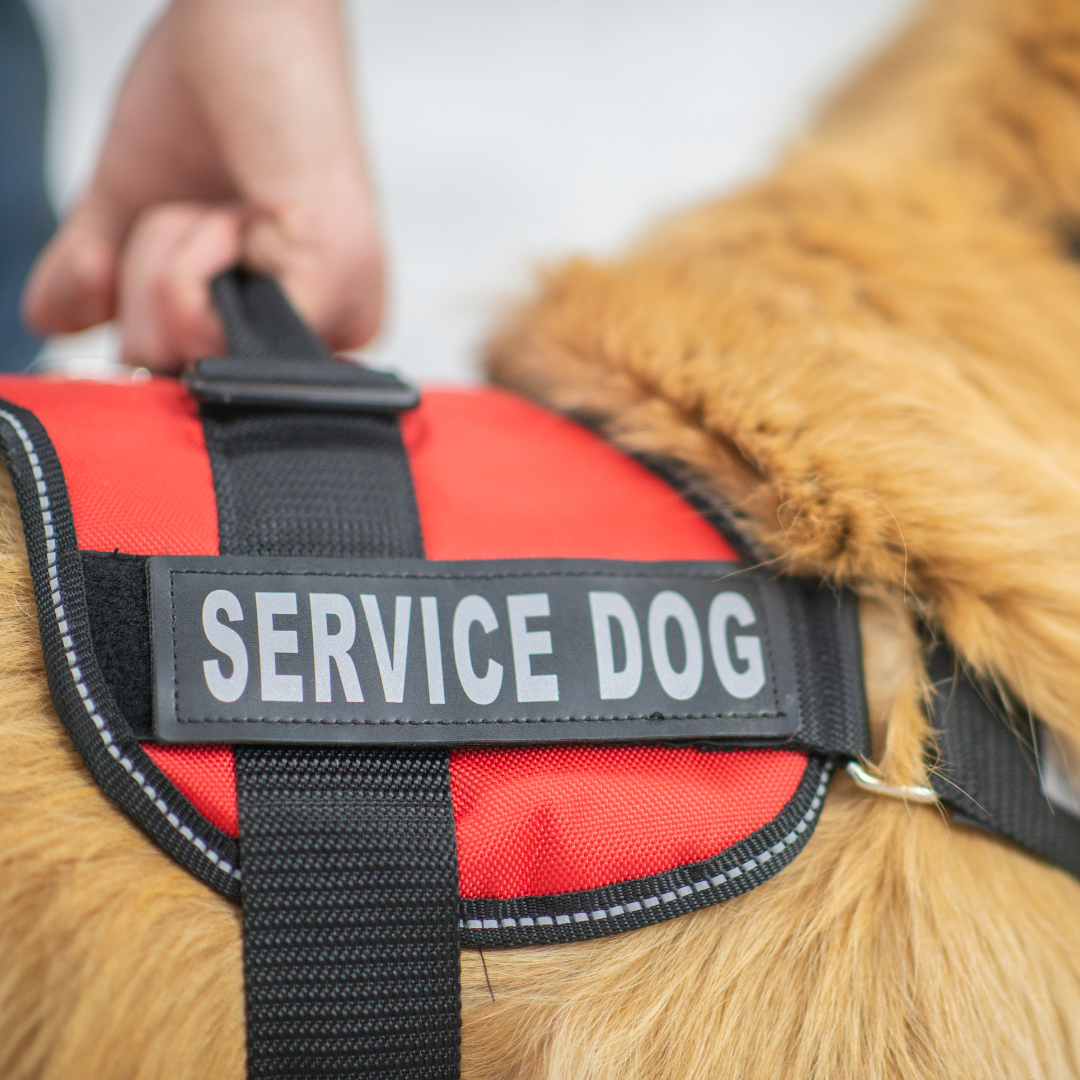
Detection dogs perform highly demanding work. They must search persistently, distinguish target scents from complex surroundings and communicate accurately with their handlers, often in busy or unfamiliar environments.
Training and scent ability are central to this performance, but the whole dog matters. Nutrition, physical comfort, stress, hydration, sleep and digestive health can all influence how prepared a working dog is to perform consistently.
An exploratory study involving nine UK Border Force dogs provides an interesting early look at how nutritional support for digestion may fit into this wider picture.
What Does a Detection Dog Need to Perform Well?
Successful scent detection involves more than having an exceptional nose. A dog must locate an odour, follow it to its source and provide a reliable trained indication while ignoring distractions.
A review by Troisi and colleagues identified several factors that can influence detection performance, including:
- motivation and arousal
- training methods
- the relationship between dog and handler
- housing and management
- physical condition
- stress and environmental conditions
Digestive comfort is not a substitute for training, but it forms part of the dog’s overall physical condition. Loose stools, changes in appetite or gastrointestinal discomfort can create an unnecessary challenge for a dog expected to work reliably.
The Gut-Brain Connection in Working Dogs
The digestive system and brain communicate through neural, hormonal, immune and metabolic pathways. This interconnected system is often called the gut-brain axis.
Microorganisms within the gastrointestinal tract also produce metabolites that can interact with intestinal cells and wider physiological processes. However, canine research is still developing, and changes in the microbiome should not automatically be interpreted as the cause of a particular behaviour.
For working dogs, the practical question is whether supporting normal digestion and a stable gastrointestinal environment can contribute to overall readiness, comfort and consistency.
Our guide to the gut-brain axis in dogs explores these pathways in more detail.
What Did the UK Border Force Study Examine?
A 2023 exploratory study followed nine UK Border Force dogs receiving CaniNectar over four weeks. The dogs continued their normal diets, training and working routines.
Handlers recorded observations relating to areas including:
- stool quality
- appetite
- behaviour
- focus
- general condition
Faecal samples were also analysed to explore whether changes in the intestinal microbiome could be detected during the study.
This was a small, uncontrolled investigation. It can identify potentially useful patterns, but it cannot establish that CaniNectar directly caused every observed change or prove an improvement in operational performance.
What Were the Findings?
Five of the nine dogs received improved stool ratings during the four-week period. Four of the nine received improved appetite ratings.
Microbiome analysis identified changes that included an increase in Faecalibacterium and reductions in Streptococcus and Treponema. Responses varied between individual dogs, which is expected when studying a complex microbial ecosystem.
Some handlers also reported changes in behaviour or focus. These observations are interesting, particularly in light of wider research into the gut-brain axis, but the study was not designed to prove that microbiome changes improved detection performance.
The findings should therefore be treated as exploratory evidence supporting further research, rather than as a controlled clinical trial.
You can read the full UK Border Force study report here.
Why Stool Quality and Appetite Matter
Stool quality provides useful information about how a dog is responding to its diet, although it cannot diagnose a specific digestive problem on its own.
For handlers and kennels, more consistent stools may also make daily management easier. Repeated loose stools can affect routines, travel, kennelling and the practical preparation of a dog for work.
Appetite matters because working dogs need reliable nutritional intake to maintain condition and meet the demands of regular training and activity. A sustained change in appetite should always be investigated, particularly when accompanied by weight loss, vomiting, diarrhoea or reduced energy.
For more guidance, see why dogs develop loose stools.
Where CaniNectar Fits
CaniNectar is a complementary feed containing Enzyme Rich Malt Extract. It provides naturally occurring amylase, protease and lipase activity to support the breakdown of carbohydrates, proteins and fats within the existing diet.
The nutritional rationale begins earlier in digestion. What is broken down and absorbed in the small intestine helps determine the nutritional environment encountered by microbial communities further along the gastrointestinal tract.
CaniNectar does not introduce live probiotic organisms and is not intended to replace a complete diet, veterinary care or an appropriate working-dog management programme.

Evidence Beyond the Border Force Study
The subsequent CaniNectar professional field trial involved 129 dogs and 63 veterinary professionals, trainers and behaviourists across two independently run phases.
Approximately 70% of dogs with stool-quality concerns improved during the trial. Among dogs that began with elevated anxiety ratings, 38 of 42 improved, with a similar average change appearing independently in both phases.
These were real-world observational findings rather than the results of a blinded clinical trial. Nevertheless, the repeated pattern supports continued investigation into the relationship between digestion, the microbiome and behaviour.
Read the full summary of the two-phase professional field trial.
Supporting the Whole Working Dog
Digestive support should sit within a complete working-dog programme that considers:
- a nutritionally complete and appropriate diet
- consistent feeding and training routines
- fresh drinking water
- appropriate physical conditioning
- rest and recovery
- environmental temperature
- handler relationships
- regular veterinary care
Persistent diarrhoea, vomiting, appetite loss, unexplained weight change or signs of discomfort require veterinary assessment rather than nutritional supplementation alone.
The Bottom Line
The UK Border Force study does not prove that CaniNectar improves detection performance. It does provide encouraging preliminary evidence involving stool quality, appetite and microbiome changes in working dogs undertaking demanding roles.
Supporting normal digestion cannot replace excellent training and management. It may, however, form one useful part of supporting the health, comfort and consistency of the whole working dog.
Learn more about CaniNectar or visit our Science Hub to explore the research.
References
- Troisi CA, Mills DS, Wilkinson A, Zulch HE. Behavioral and cognitive factors that affect the success of scent detection dogs. Comparative Cognition & Behavior Reviews. 2019;14:51-76. View the paper.
- Mager L. Exploratory Analysis of CaniNectar Autumn 2023 Study Data. Tharos Ltd. 2023. View the report.
- Pilla R, Suchodolski JS. The Role of the Canine Gut Microbiome and Metabolome in Health and Gastrointestinal Disease. Frontiers in Veterinary Science. 2020;6:498. View the review.


Share:
How Your Dog's Gut Health Could Prevent Anal Gland Problems
Milton's Story